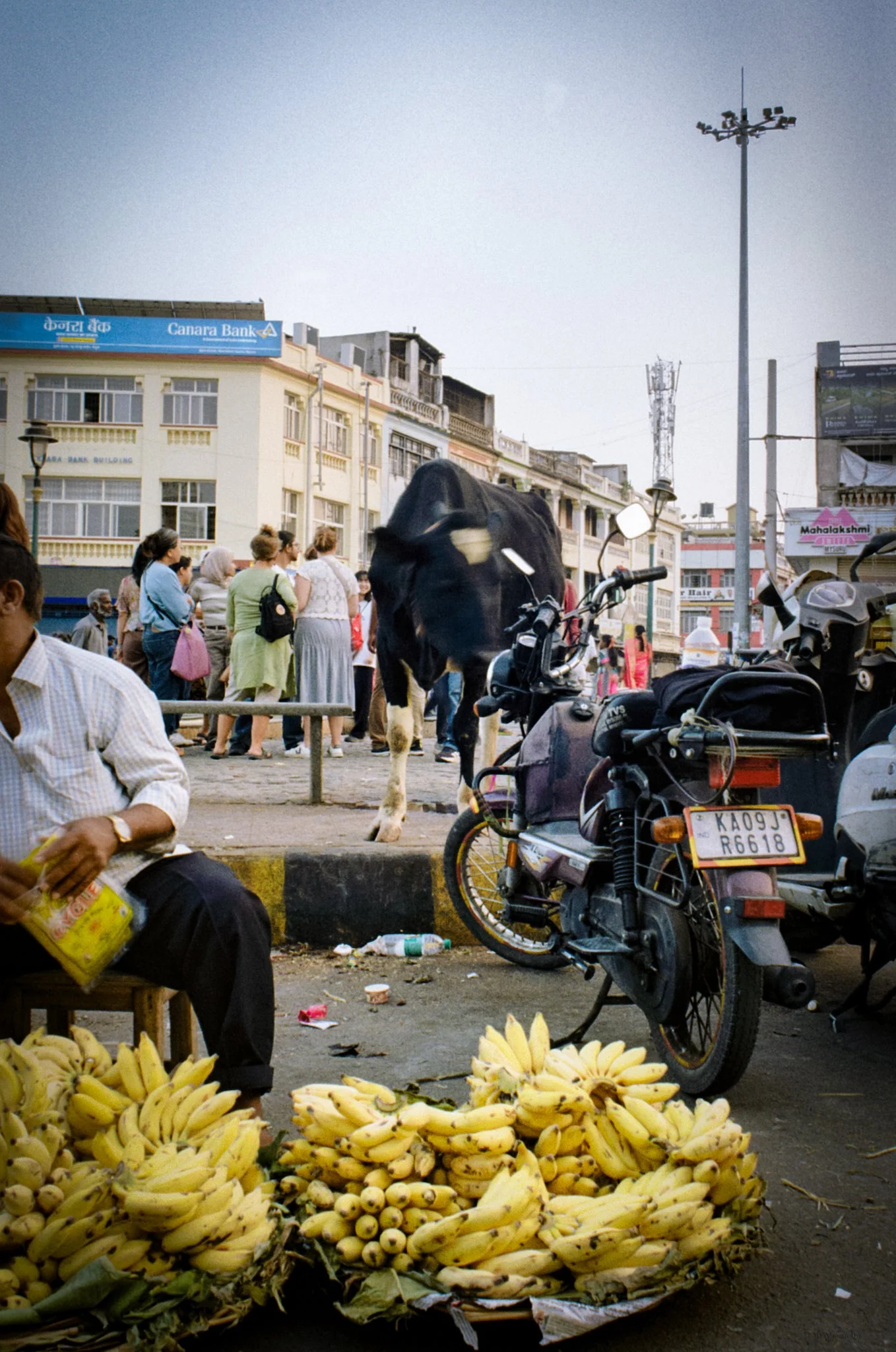
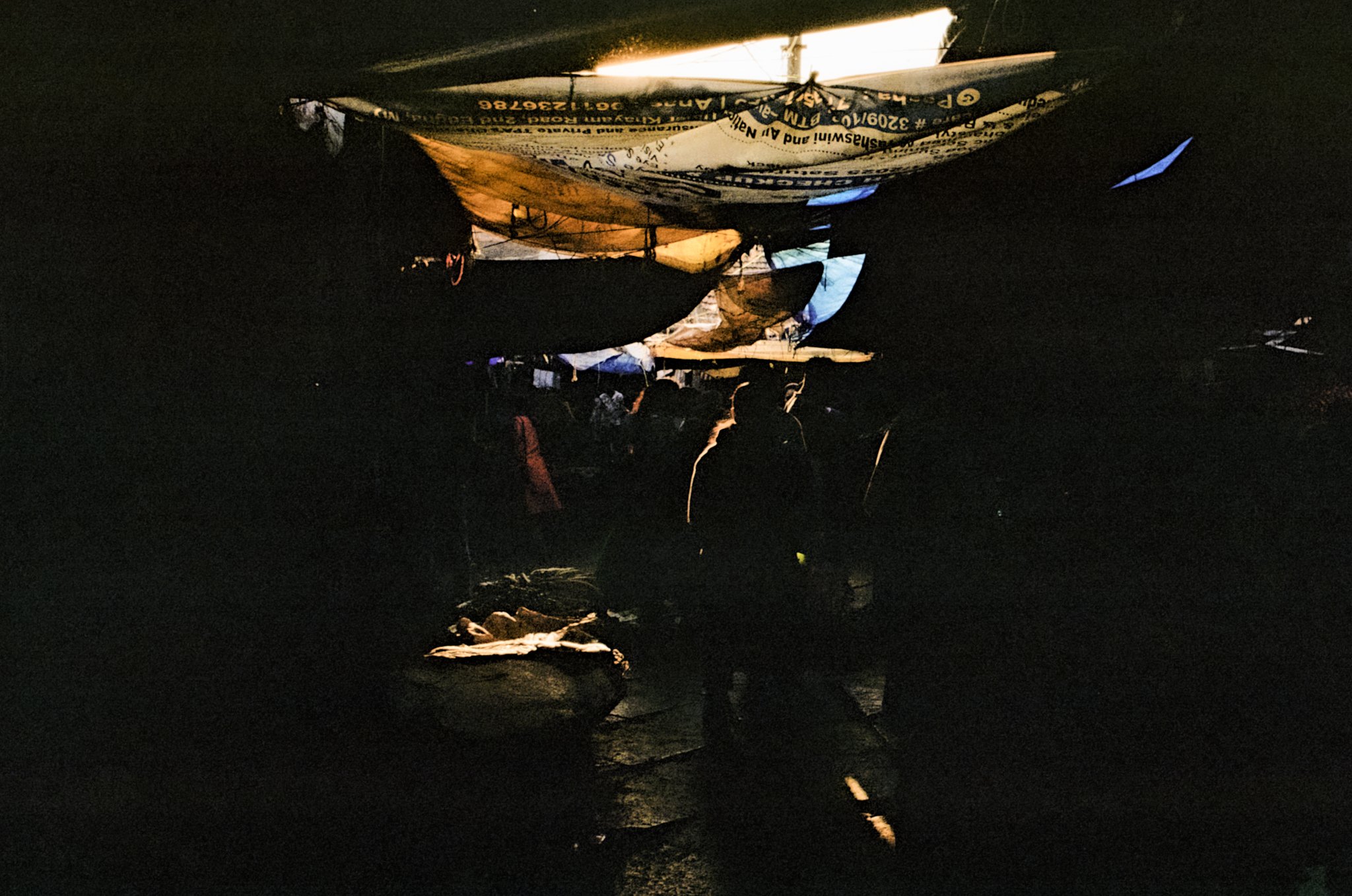
INDIA
Food, land and repair in the Anthropocene.
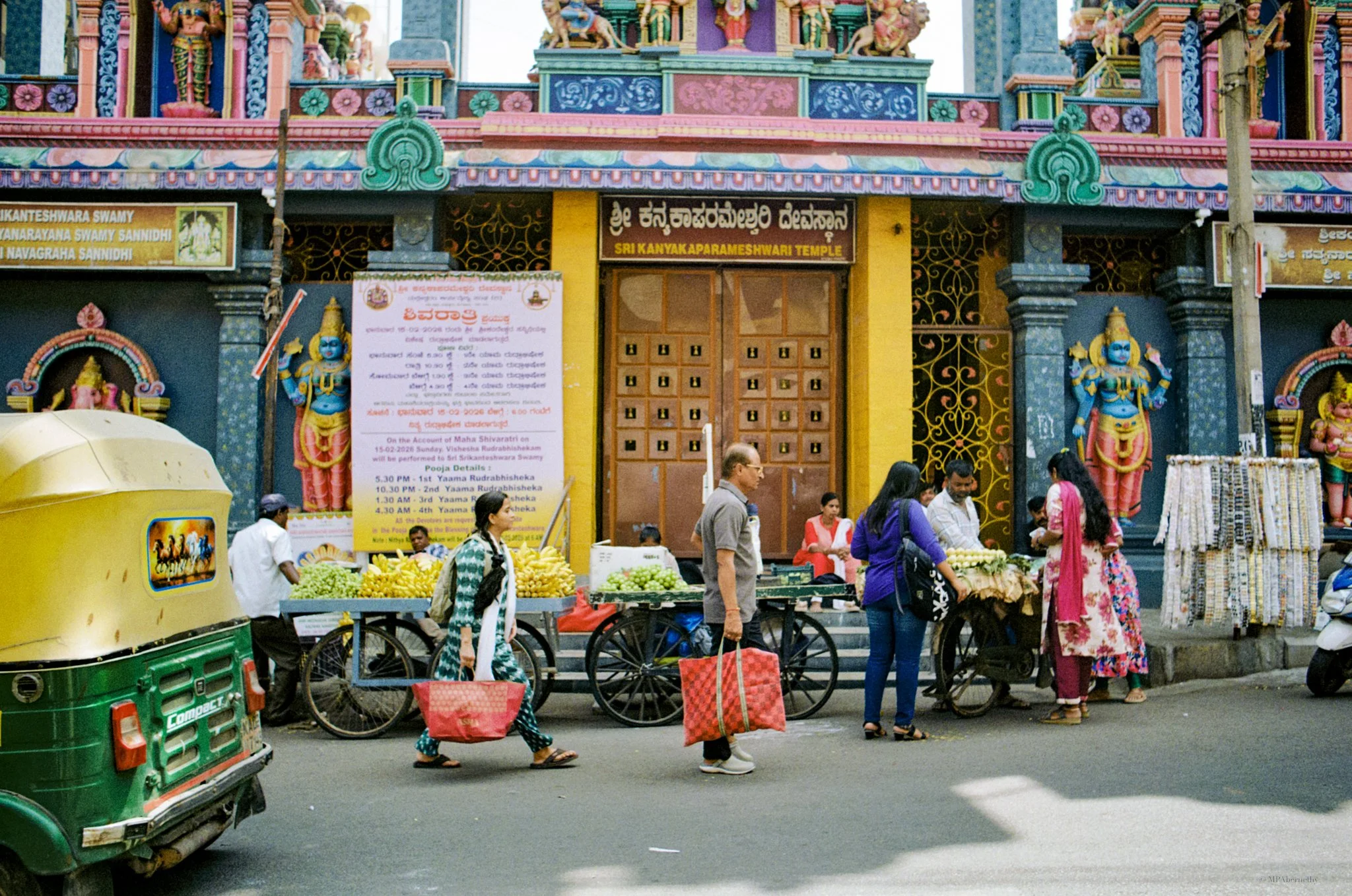
I often understand the world through visual, sensory and associative ways of thinking rather than through a neat linear sequence. This preference drives my interest in documenting political and anthropological stories through a camera [lens]. Every photograph contains a thesis, but one that is intended to be felt rather than order.
read in
Alas, the medium of film photography is inextricably linked to the Anthropocene.
While film production utilises only a small fraction — roughly 2% — of the global demand for silver, the industry remains extractive. In contrast, sectors such as AI technology, electric vehicle manufacturing, and solar energy consume the vast majority of this resource. Most silver extraction occurs in the Global South, with Mexico and Peru leading, followed by China. Australia also plays a significant role; notably, between 60% and 80% of Australian silver mining takes place on lands subject to active claims by Traditional Owners or established Native Title rights.
So, while I tell a story that problematises the extractive processes of gastro-colonialism, I also remain conscious of the medium through which I am telling it. These photographs showcase India as a place grappling with the legacies and ongoing effects of gastro-colonialism, while also revealing the hope of more holistic ways of living: ways that nourish human beings, other sentient beings and the natural world.

India stands as the pulse of the world's largest population, a cradle for major religions including Hinduism, Buddhism, Sikhism, and Jainism. It is a destination for spiritual seekers from the Global South and the West—a vibrant world of colours, sounds, smells, and flavours. India embodies extreme contrasts, simultaneously holding ancient traditions and one of the world’s fastest-growing economies. It is, perhaps, the ultimate living example of pluralism, which Shashi Tharoor eloquently captures as 'not one place, but a "million mutinies."' Beyond its global significance, India is deeply personal to me.
India was the backdrop to my parents’ romance during their spiritual journey—like many Westerners in the 70s and 80s. Years later, it became the place where I, too, fell in love. My family and I are not unique; countless hearts have been touched by this country. What is it about India that so indelibly captures the human heart?
The spices, the sounds, the colours and the unwaveringly intense hum and honk of the polluted streets contrast with the deep calm found amidst the chaos, whether stepping into a Tibetan temple or witnessing the electrifying devotion within a Hindu one. As political activist and writer Arundhati Roy observed, “India lives in several centuries at the same time.”What always surprises me about India is the richness of its human experience and condition, all existing within one nation-state, or even one place or frame, all happening at once.
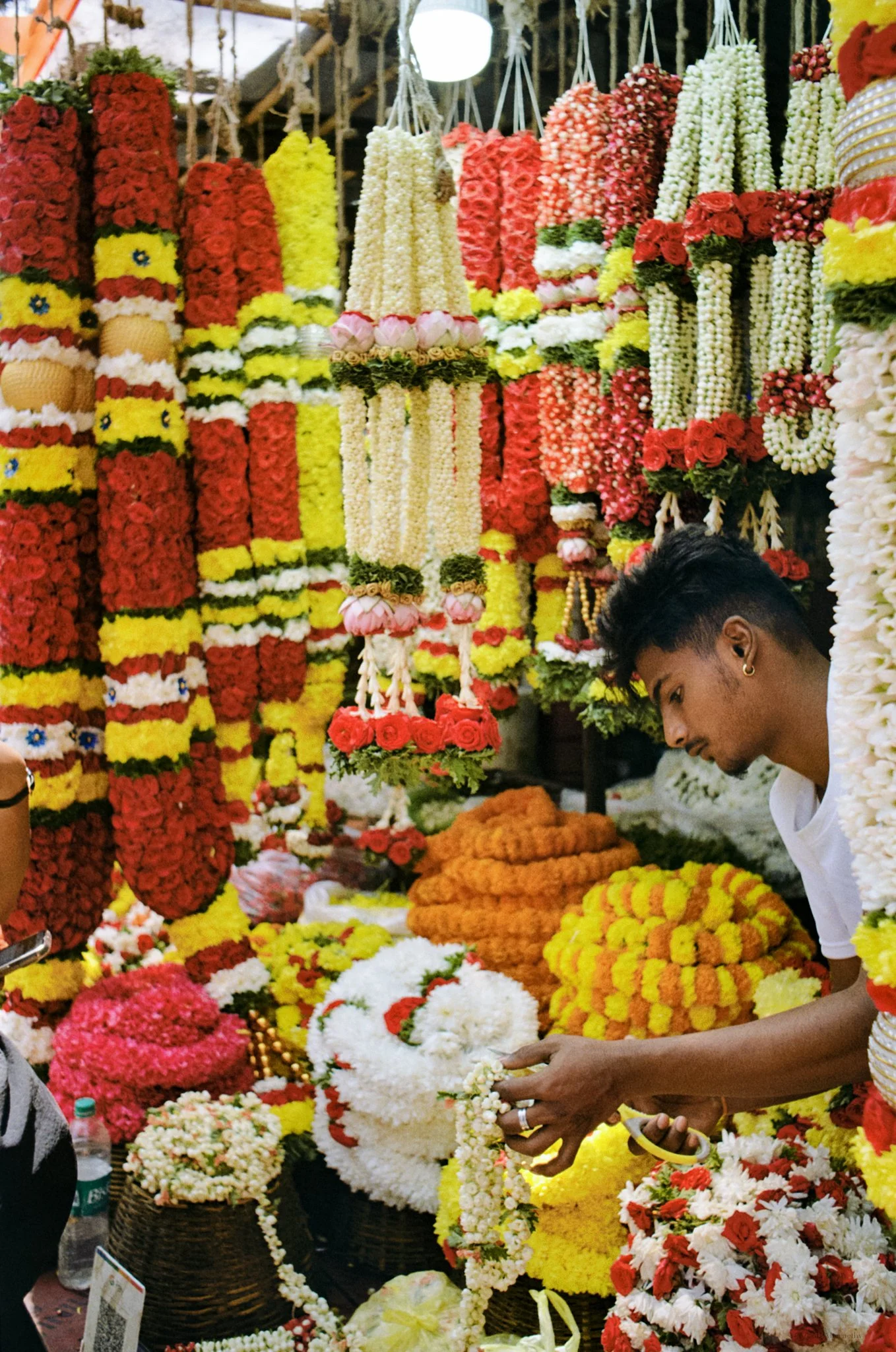
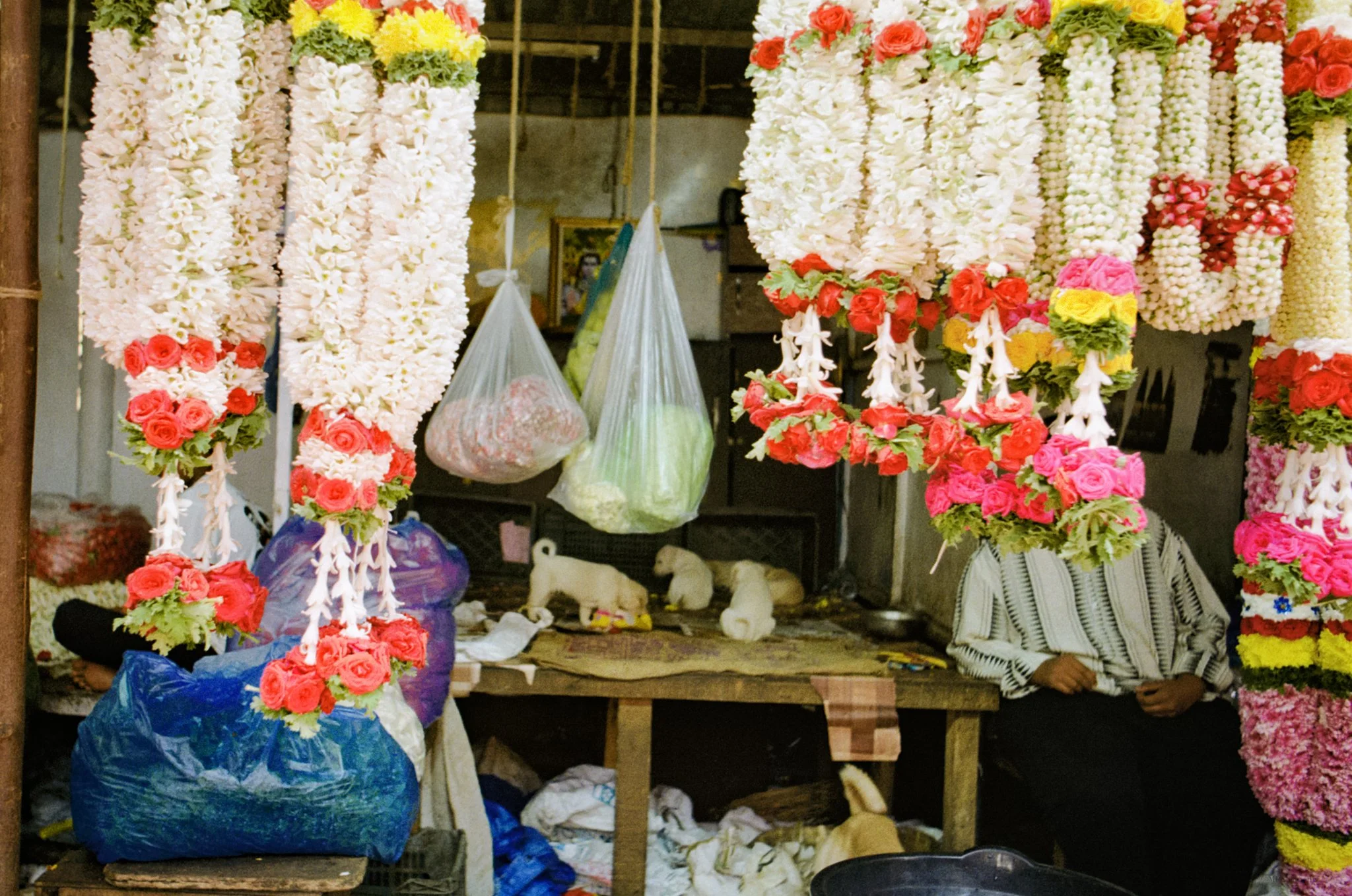
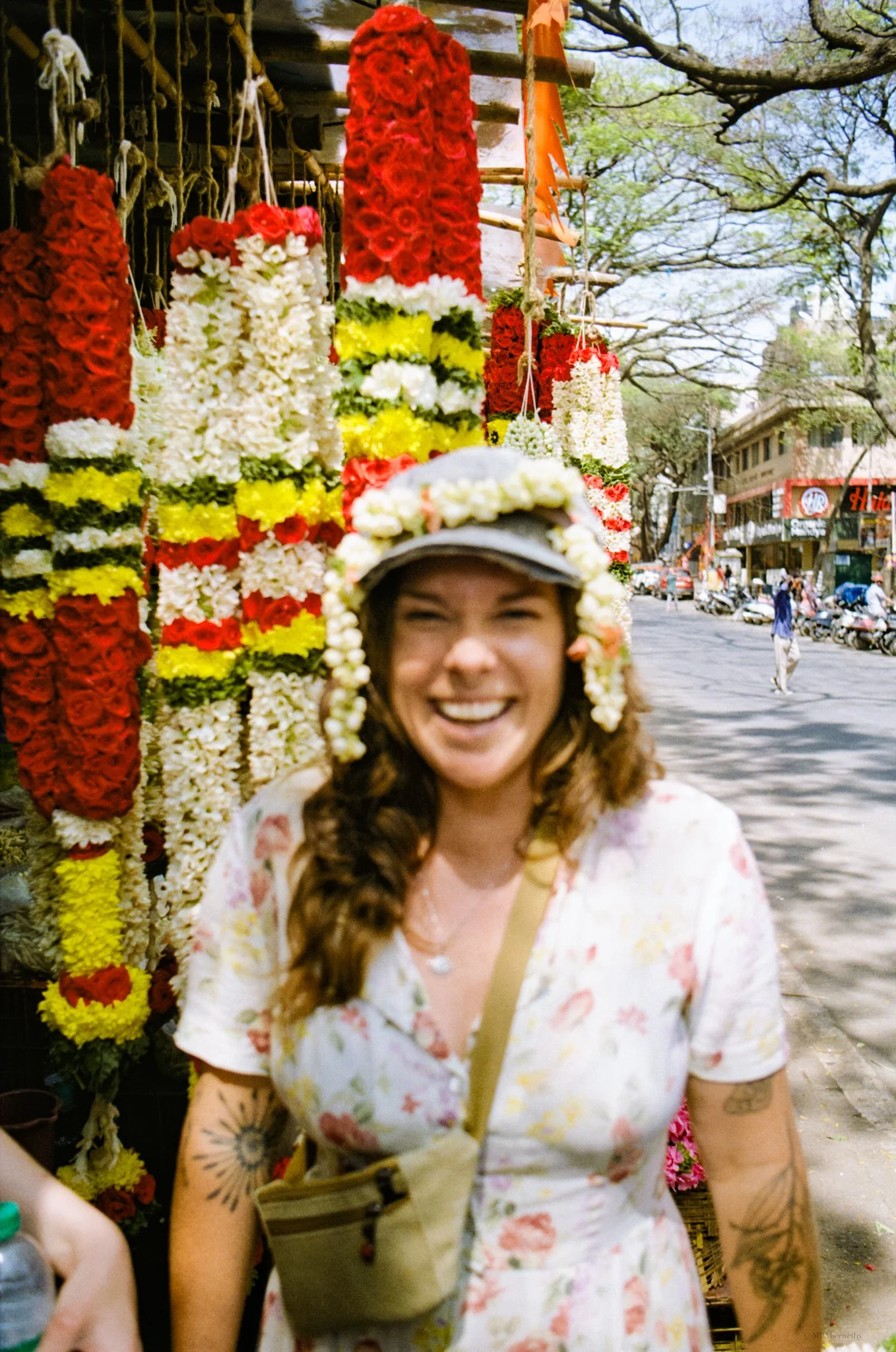
Poignantly, when considering the Anthropocene, the common—and perhaps my own—conception of India centres on the pervasive hum of pollution and the weight of waste, an expected corollary for the world's largest population. Yet, throughout this journey, I was consistently struck by a visible, vibrant commitment to innovation and sustainability. I must acknowledge that this surprise may be filtered through "rose-colored glasses," a selective view shaped by my Sydney Uni Food Justice scholarship education program. I am also wary of the all-too-common trope in which the West ventures south only to be "surprised" by development—when, in reality, India is a deeply complex web where all centuries and conditions coexist simultaneously.
In 2024, India, alongside China, the United States, the EU27, Russia, and Indonesia, remained among the world's primary greenhouse gas emitters. These six entities alone account for 51.4% of the global population, 62.5% of the GDP, 64.2% of fossil fuel consumption, and 61.8% of global GHG emissions. However, the narrative shifts dramatically when we examine emissions per capita. Countries like so-called 'Australia' and Canada rank 12th and 13th for per capita GHG and CO2 emissions in 2024. While we in Australia and Canada enjoy the luxury of safe waterways, organic produce, and fresh air, the ecological toll is felt far more acutely in the air, water, and soil quality of nations like India. In this interconnected era, one must ask: where does the true burden of responsibility lie?

As soon as we arrived, the environmental consciousness of the trip began to take shape. Regretfully not pictured, but Bengaluru’s Kempegowda International Airport Terminal 2 feels less like an airport and more like a pocket of rainforest folded into a travel hub. Conceived as a “Terminal in a Garden,” it is filled with vertical gardens, hanging greenery, open airiness, and design choices that make the space feel cooler, softer, and more breathable.
Then we stepped outside.
The air was heavier. Warmer. Full of that distinctly Indian smell, I can’t quite separate it into its parts.
Ohhh India.
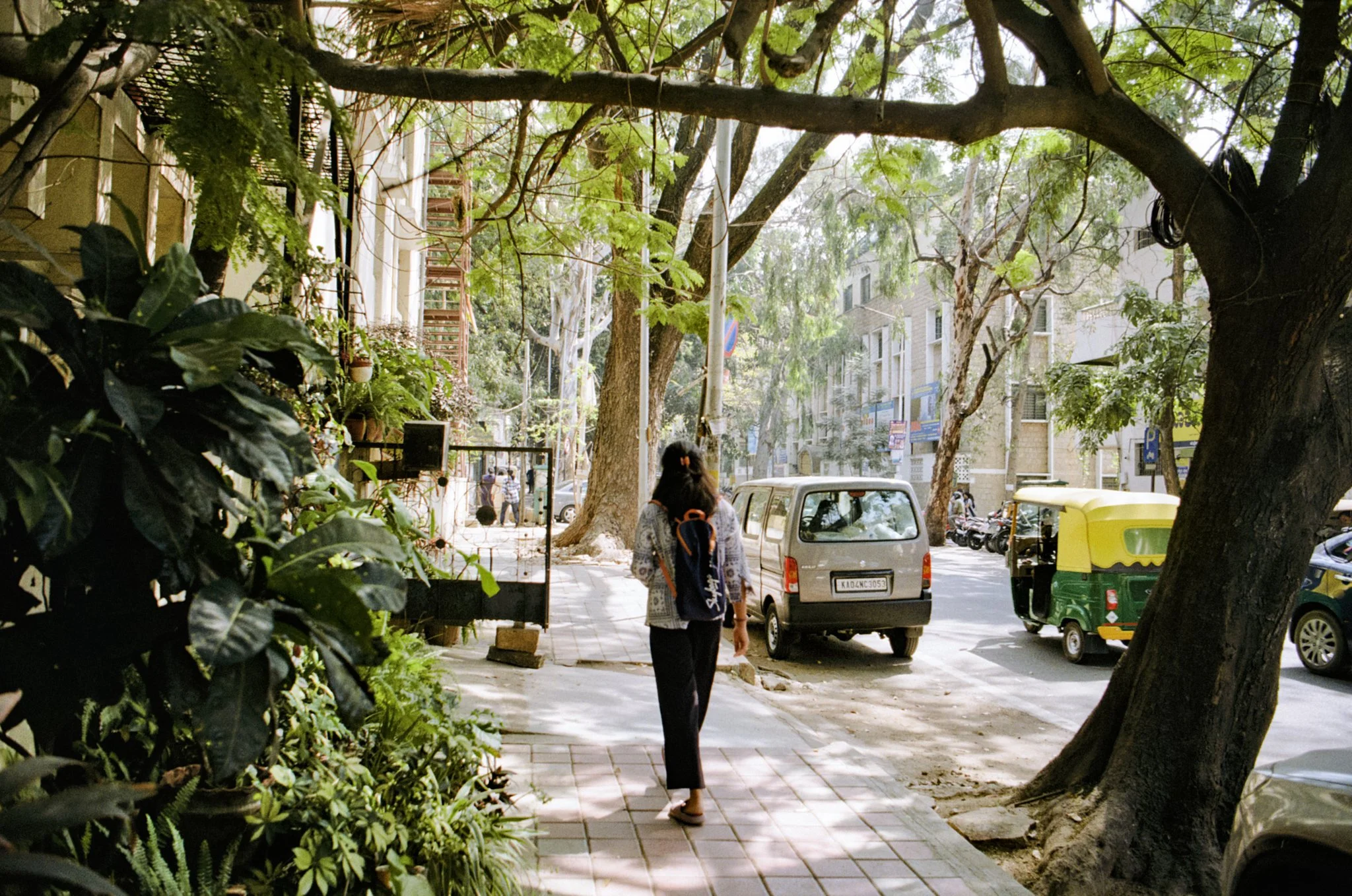
The Authentica Study Abroad program provided us with reusable water bottles, a small but intentional gesture toward reducing plastic waste. It made me think of my dad’s stories from travelling through India decades earlier, when drinking water safely was much harder to navigate. It was common practise to almost completely avoid drinking water unless it was from a very trusted hotel; instead, travellers relied on Coca-Cola or other soft drinks. Even then, the original Coca-Cola bottles were often repurposed and refilled with something homemade that resembled the dark, syrupy cola colour.
As a result, my thoughts on water came before my wider concerns about waste. I started to consider the core aspects of this resource, including trust and access, as well as the complex network of plastic, glass, human effort, and infrastructure that surrounds this essential human need.
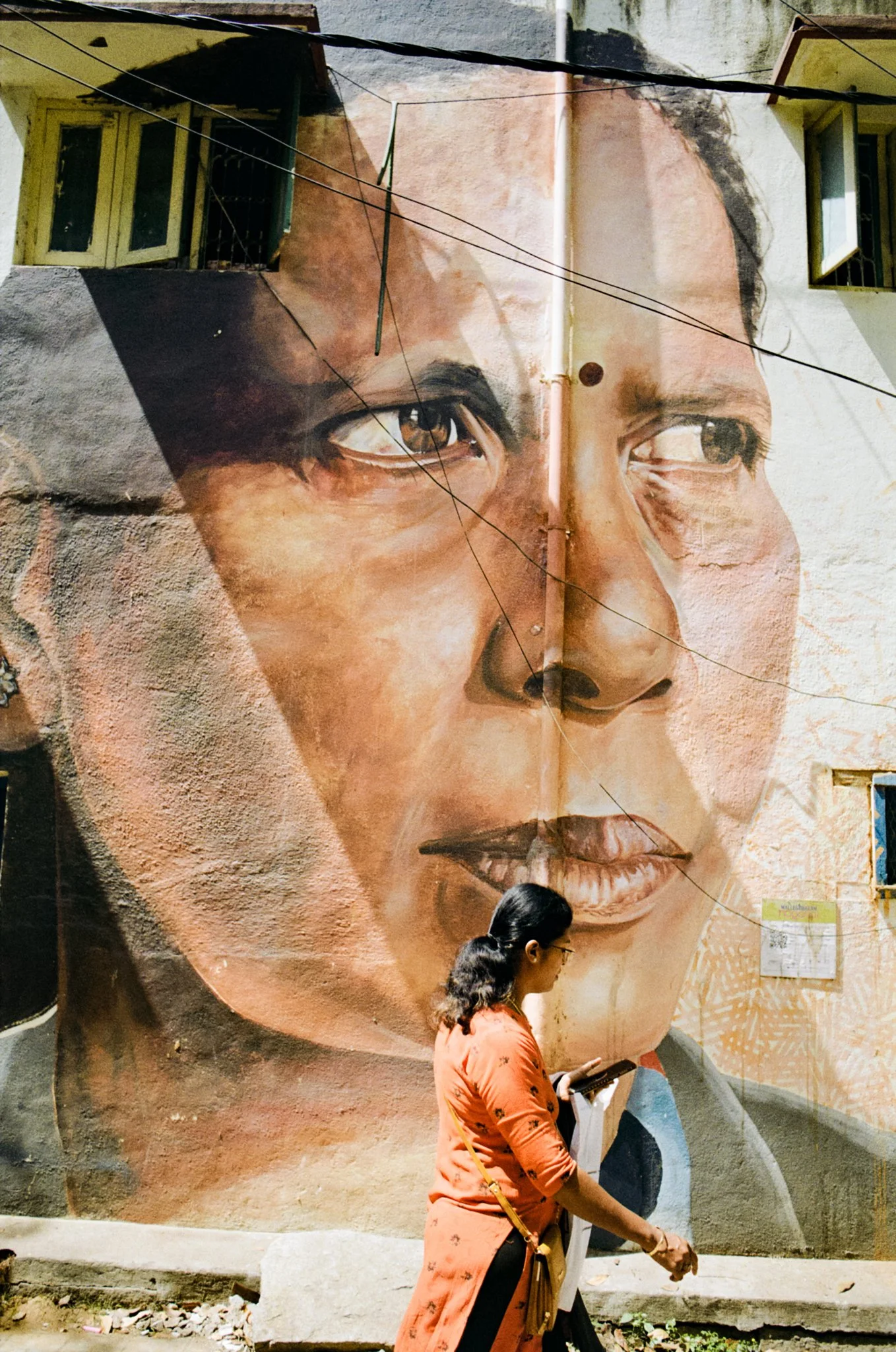
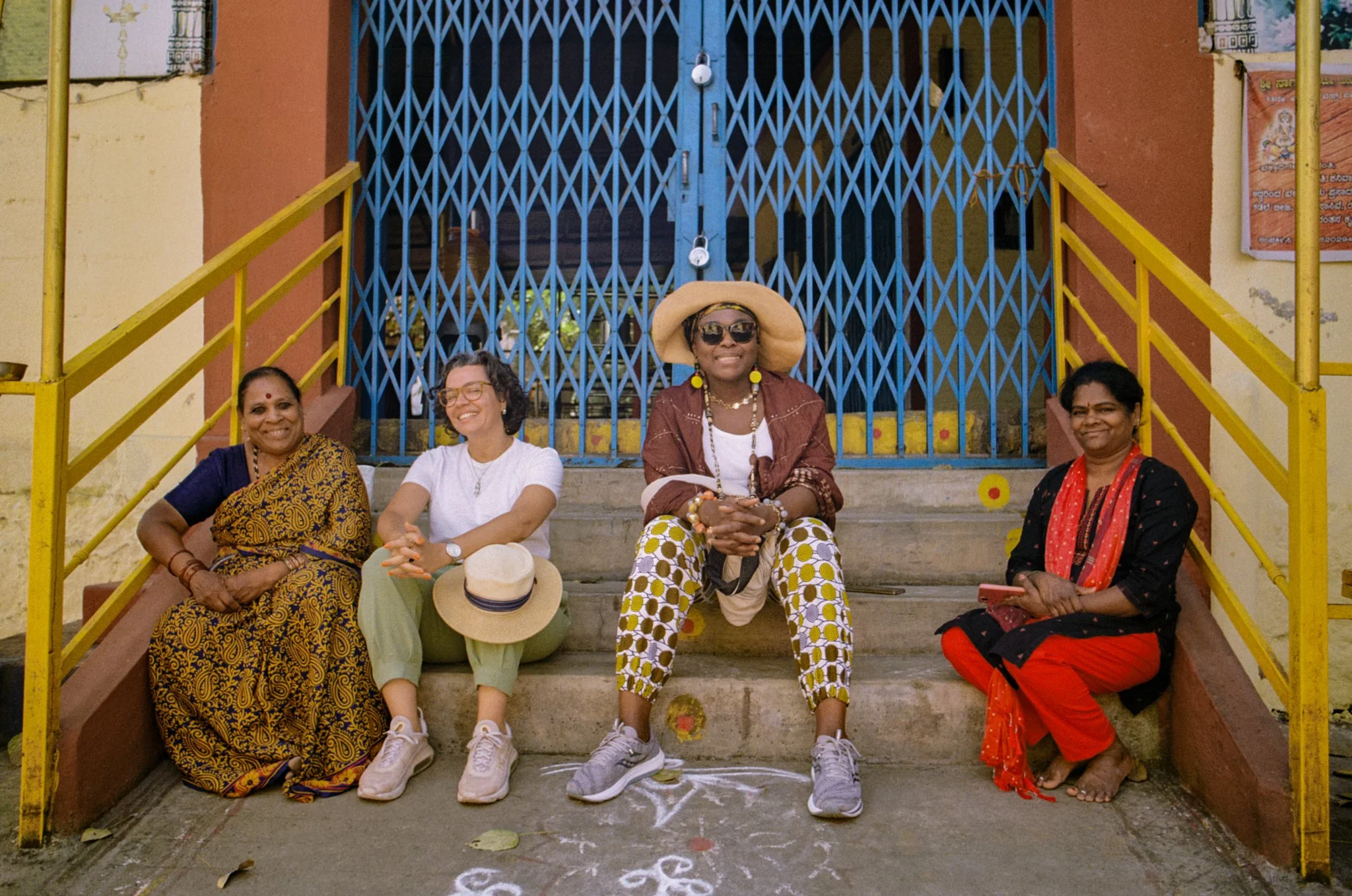

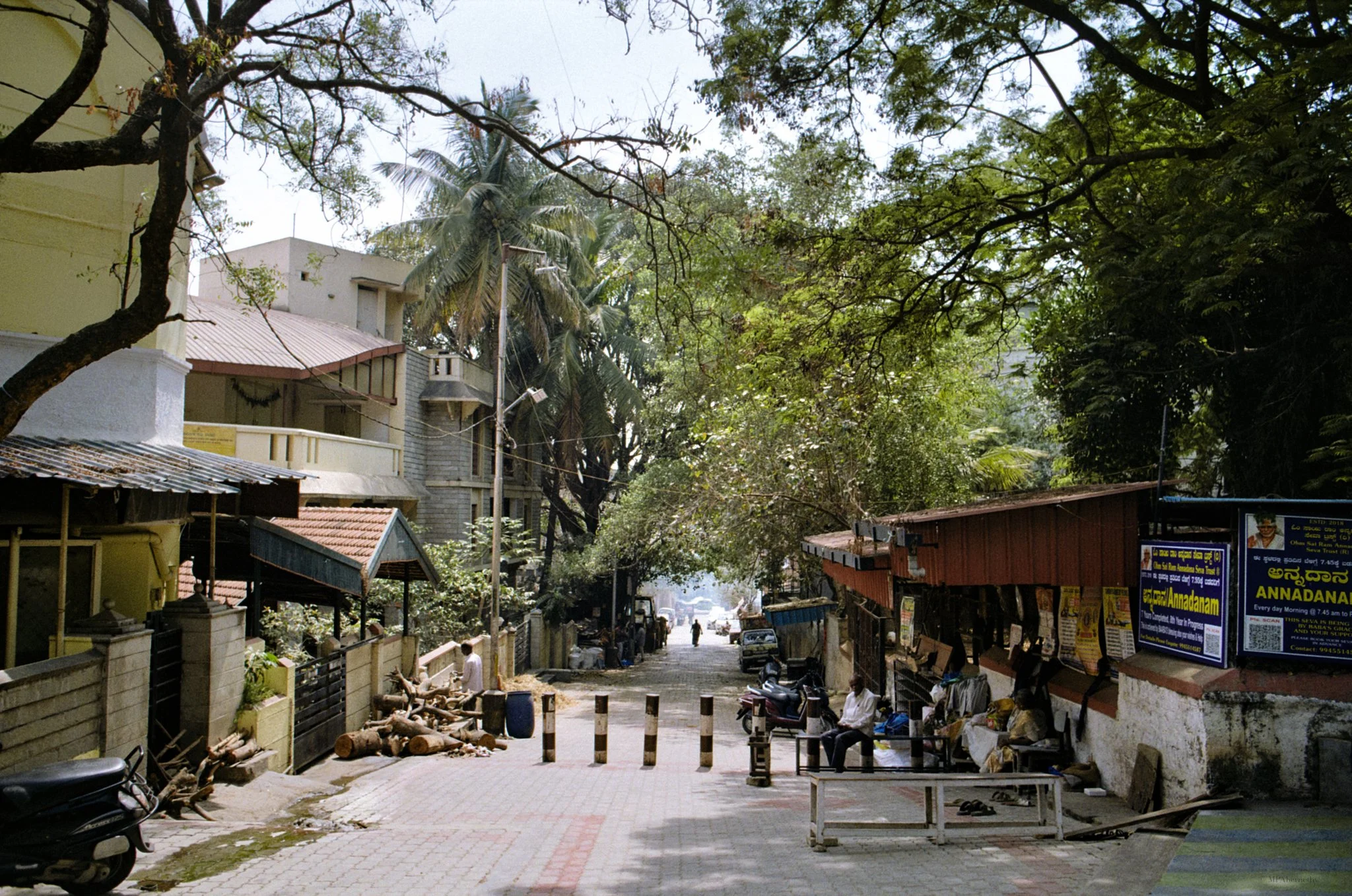
Reclaimed laneways in Malleshwaram, once known as conservancy lanes, have been transformed from 'poop lanes' into lively community spaces decorated with murals. But what exactly is a conservancy lane? Think back to a time when urban sewage management was less advanced. After Bangalore faced a plague outbreak in the early 1900s, city planners introduced these lanes to improve sanitation. Initially established in the historic neighborhoods of Malleshwaram and Basavangudi, these approximately 10-foot-wide lanes run perpendicular to main roads and were originally used by sanitation workers for nighttime or early morning toilet cleaning access. Today, with modern sanitation systems, many of these lanes have fallen into neglect, abandonment, and disrepair. In 2021, a group of Bangaloreans launched a project to transform these lanes into an art trail, creating murals that promote environmental justice, gender justice, and urban justice.
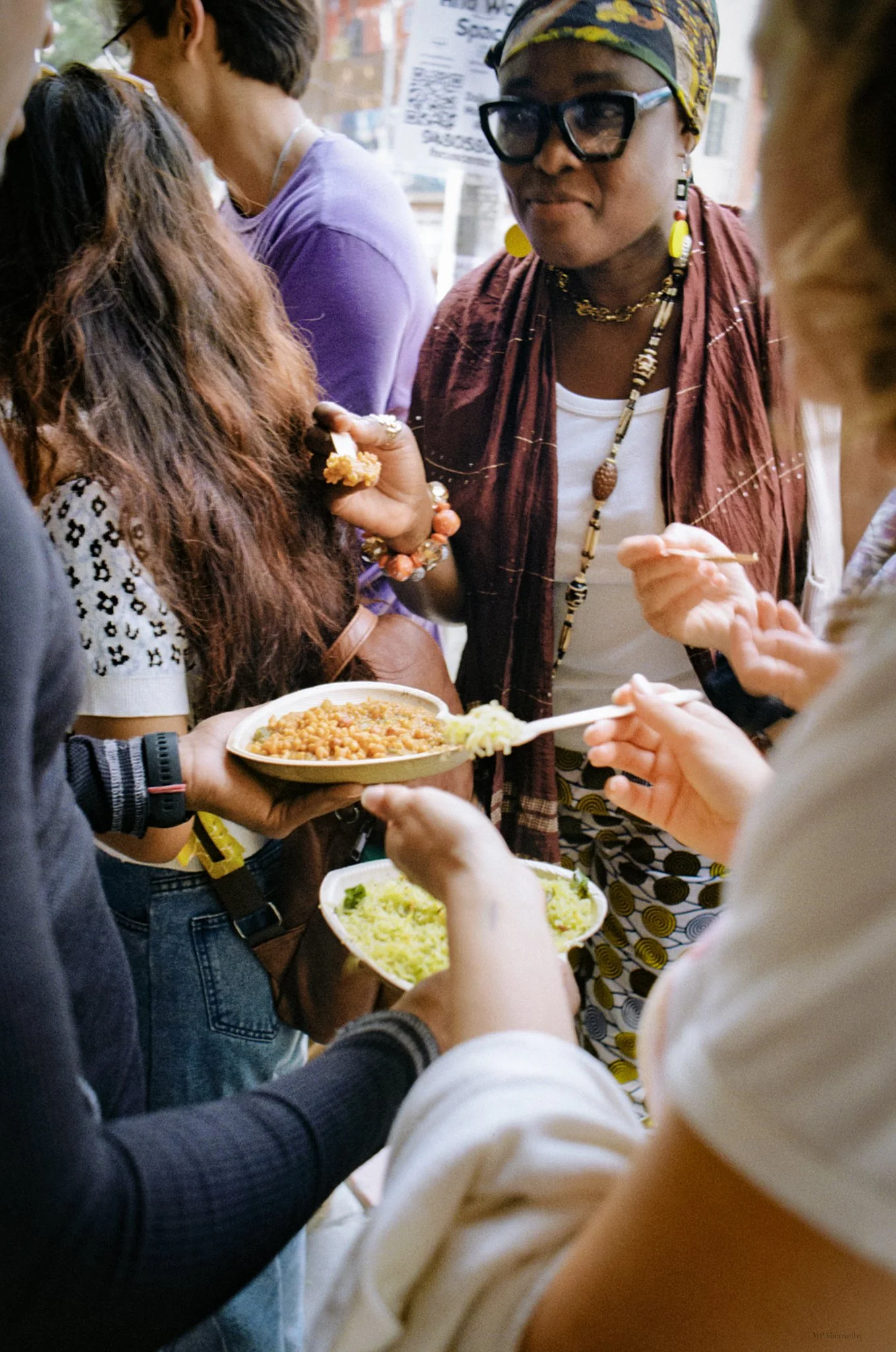
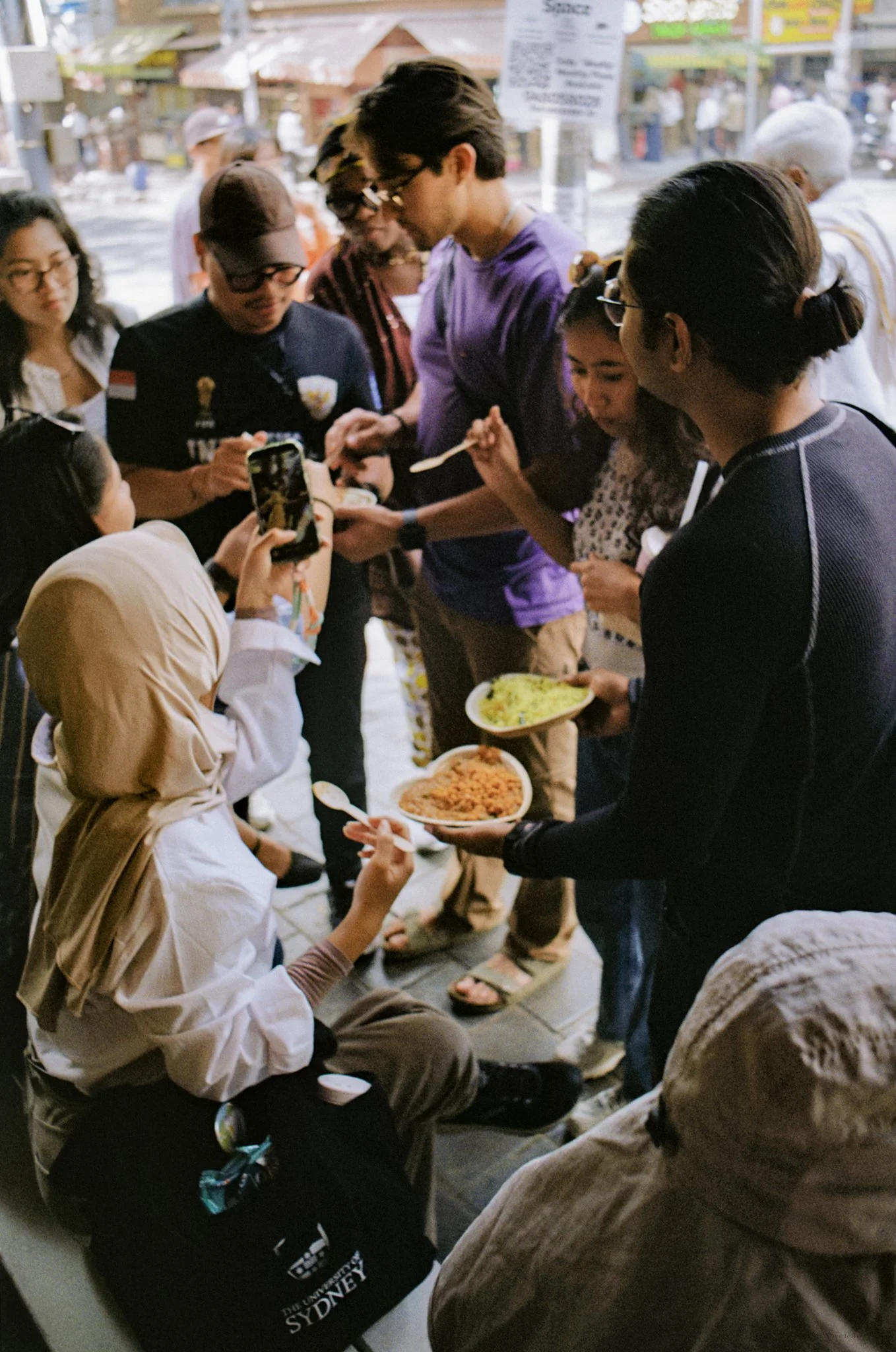

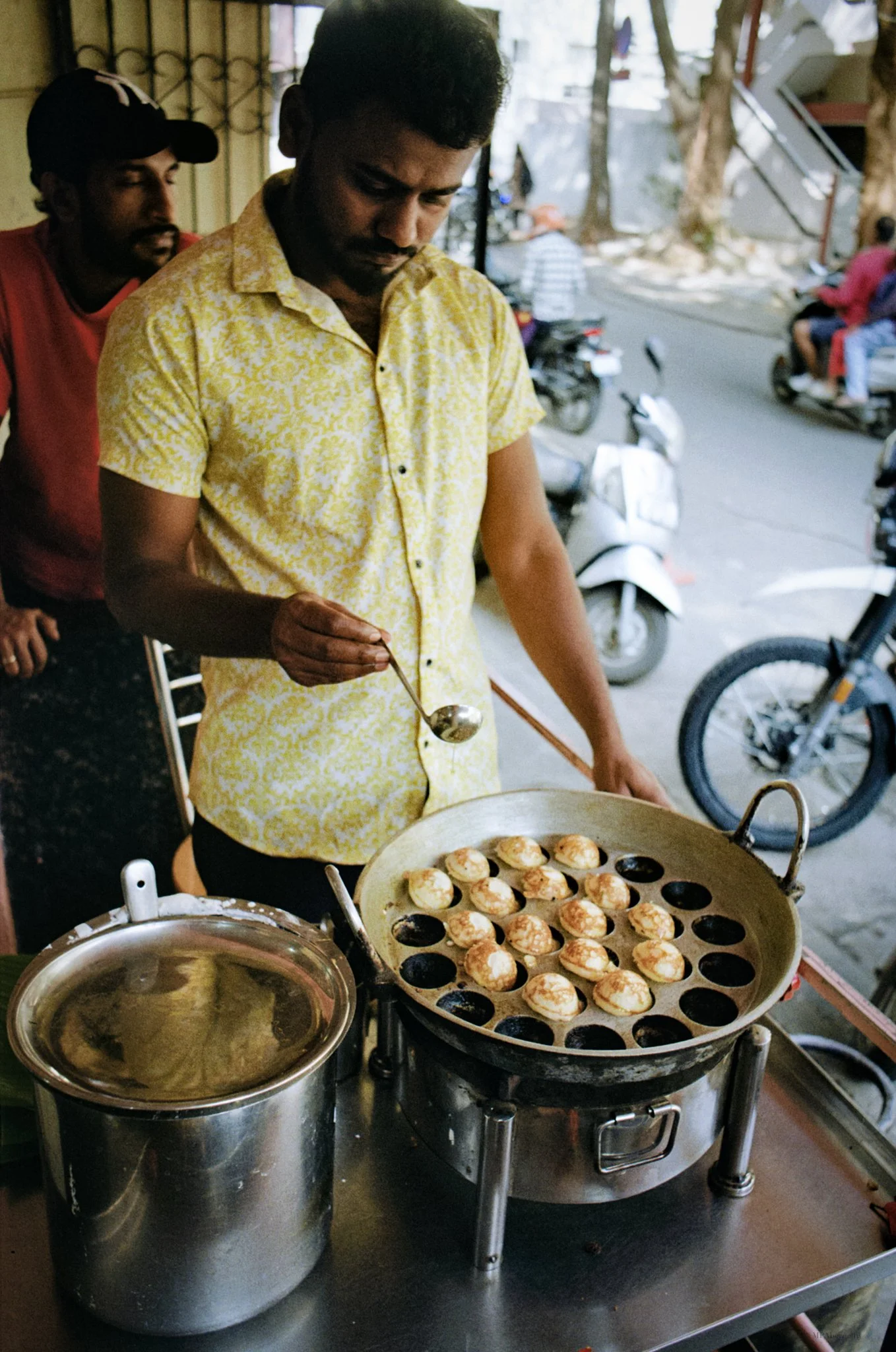
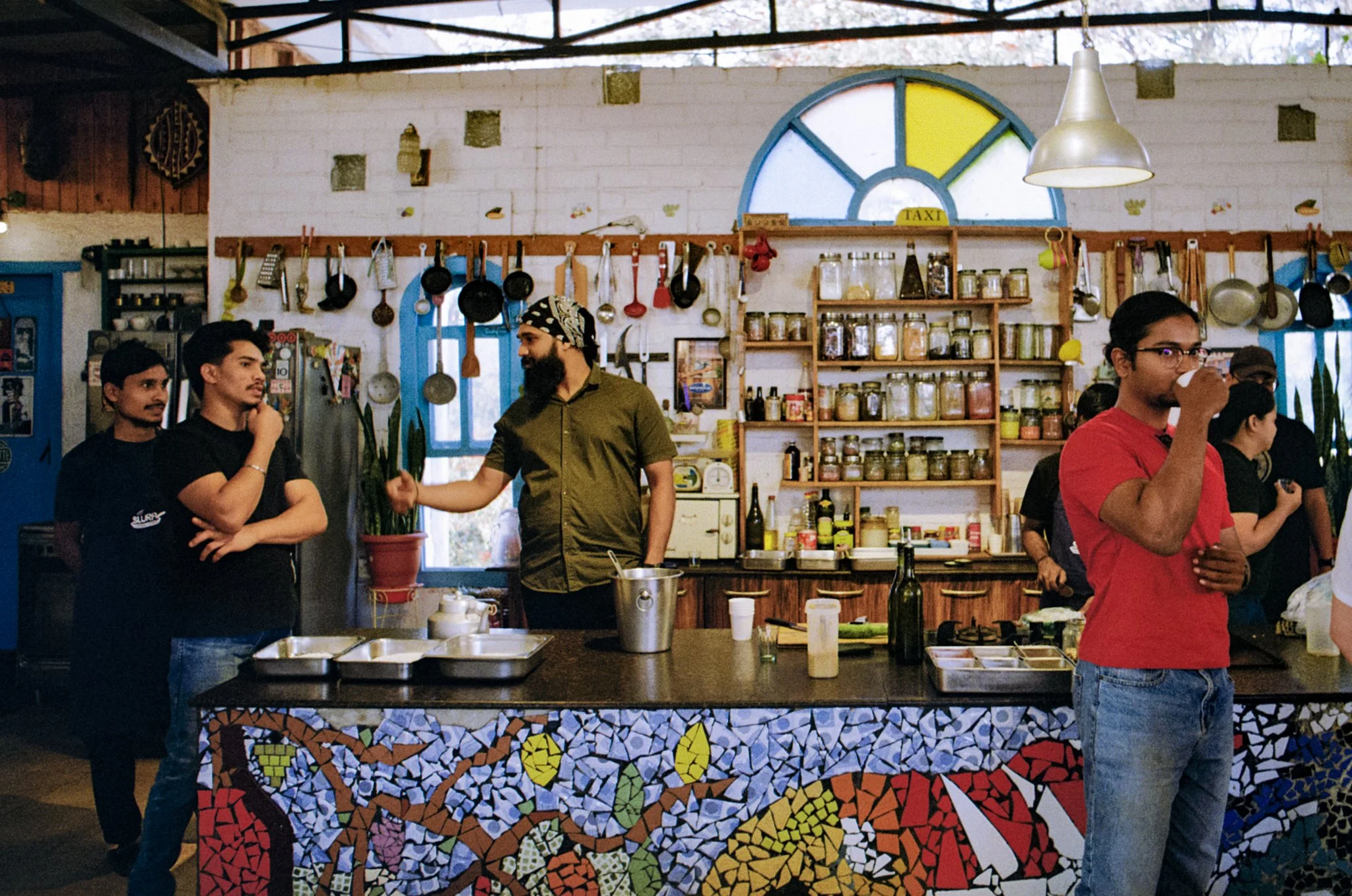
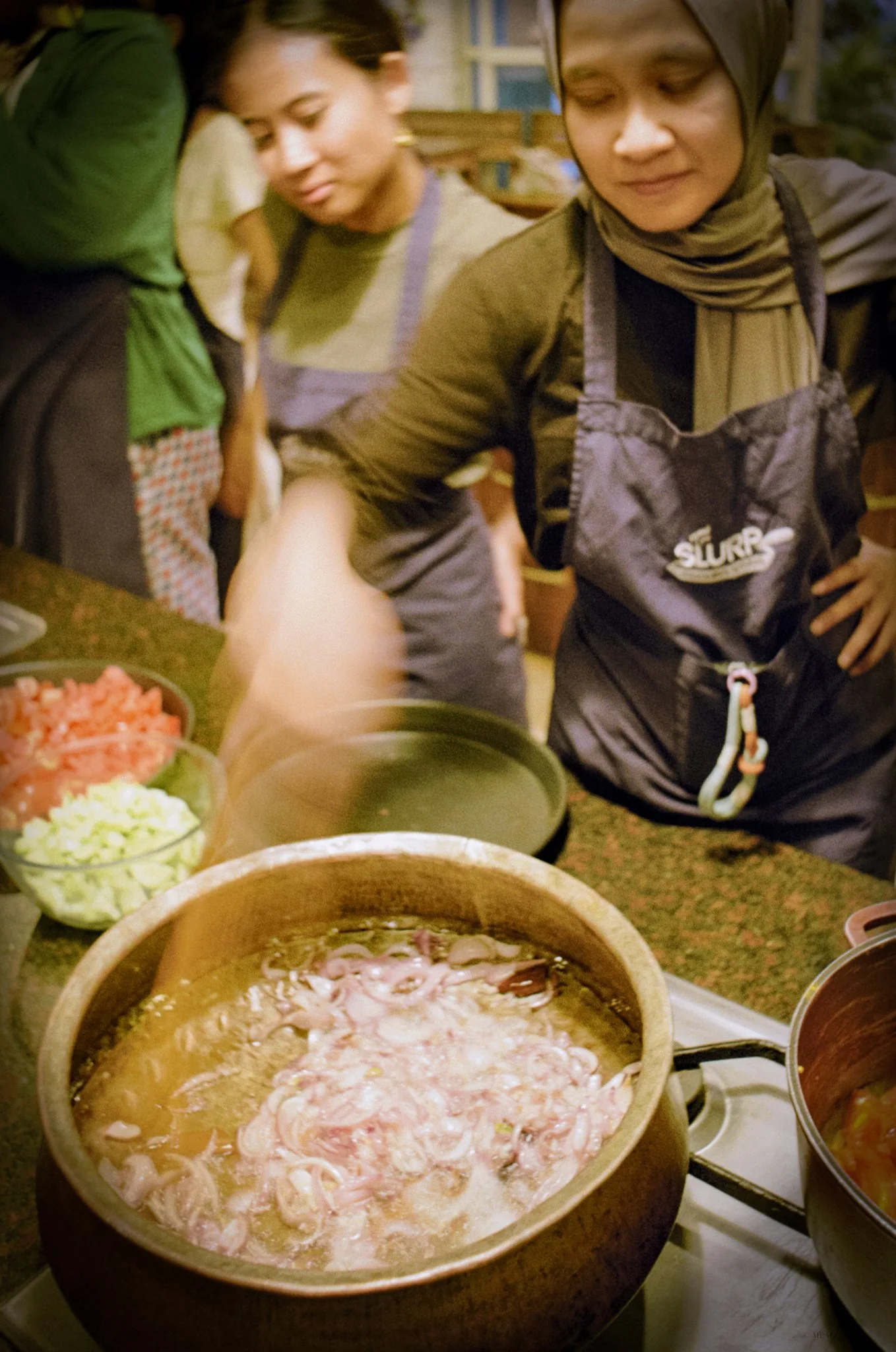
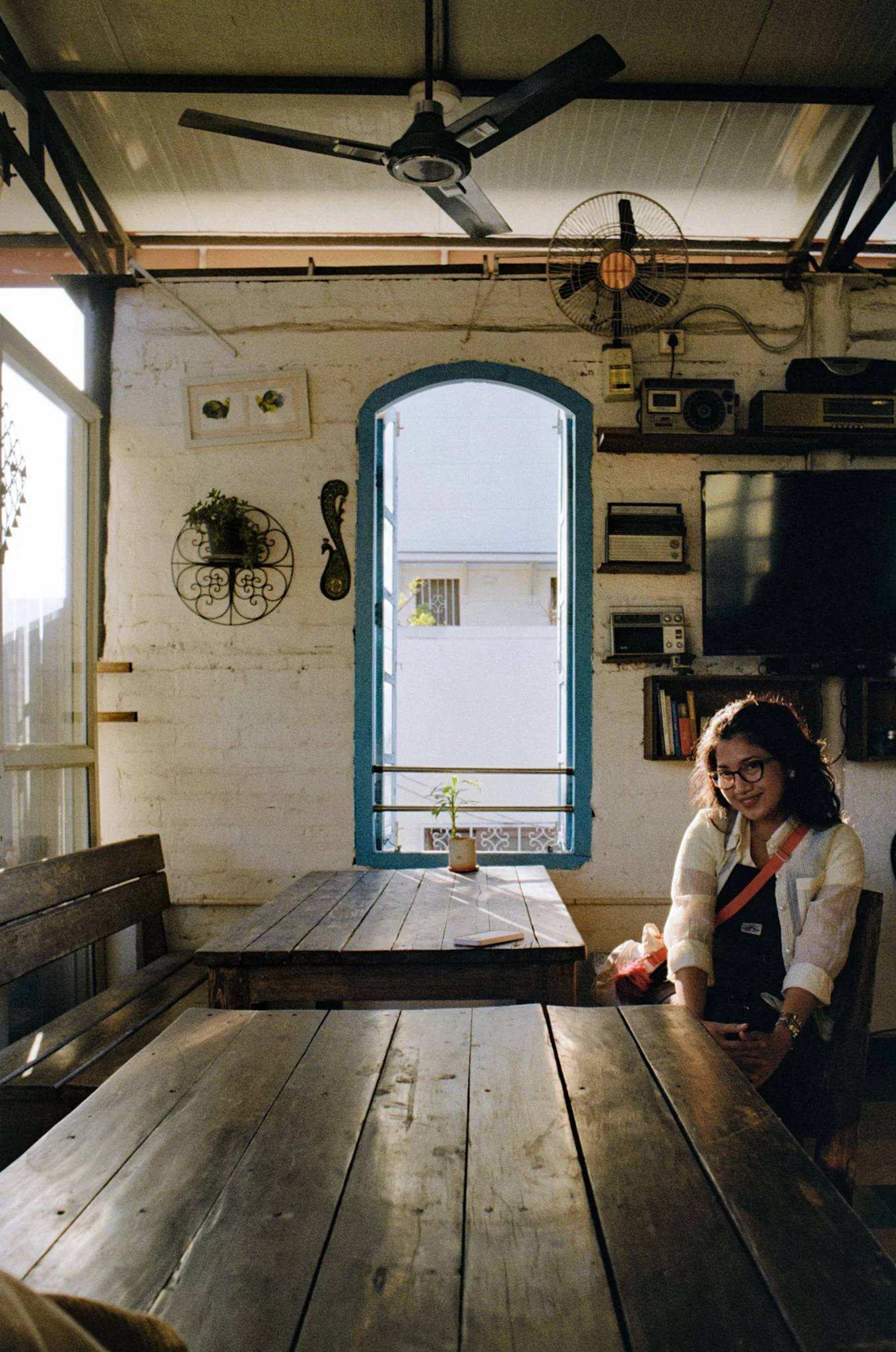
At Slurp Kitchen, afternoon light streamed in over stacks of jars and crockery that carried the stories of generations. We cooked together—shared tasks, tasted as we went, and learned by doing. Food made with hands, care, and conversation.
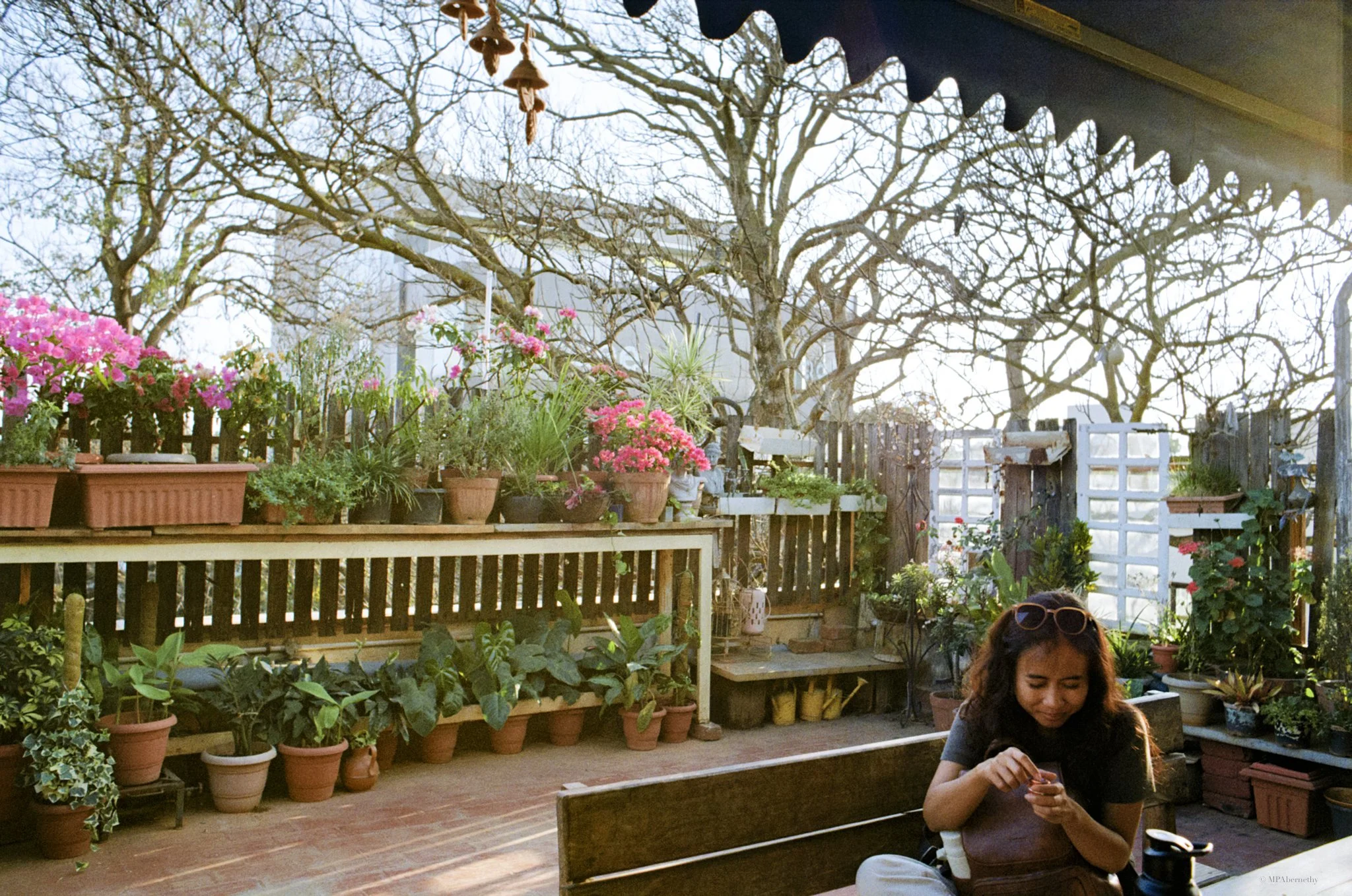
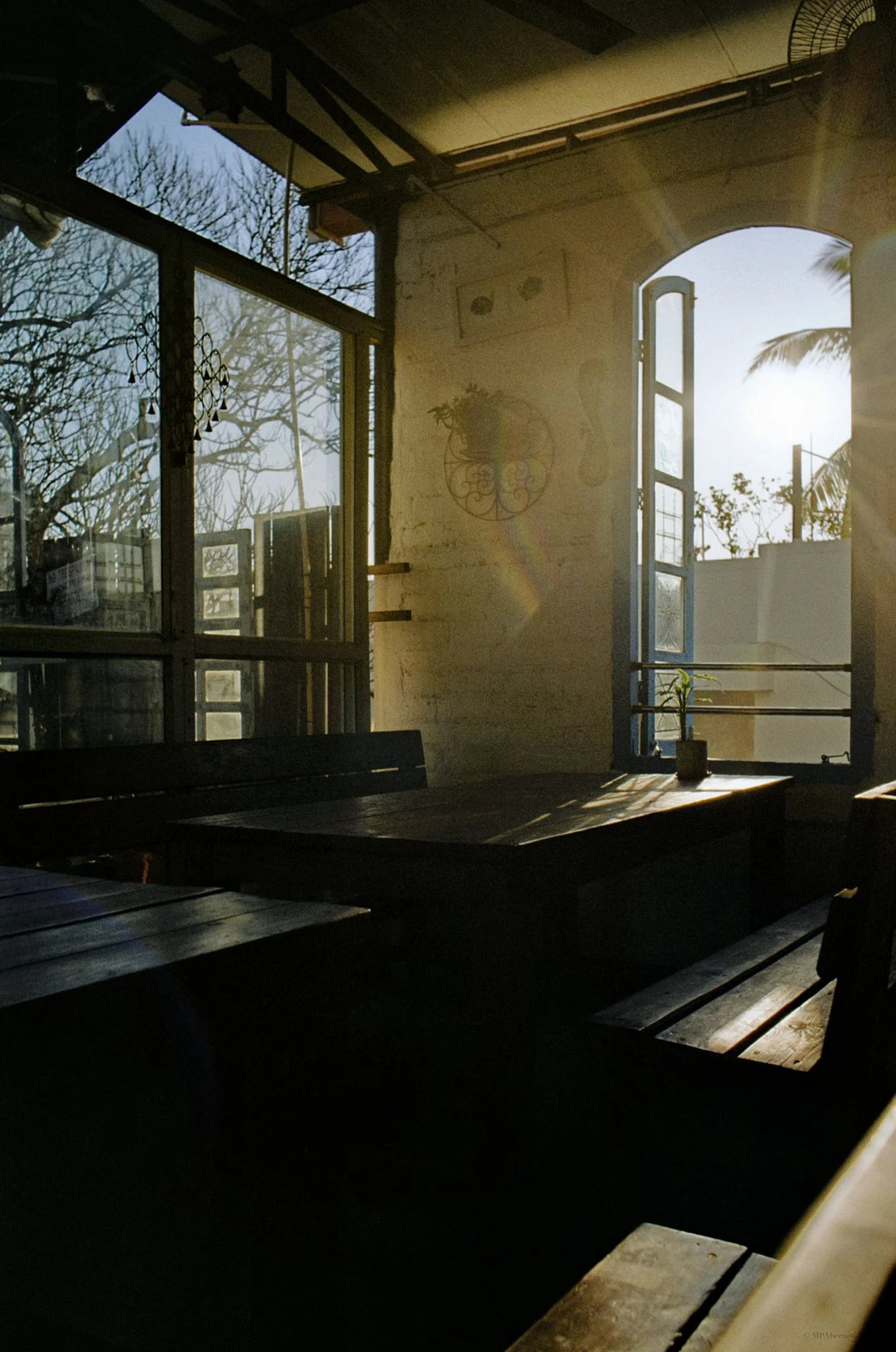

Hariyalee Seeds - Kanthaiahpalya, Bangalore
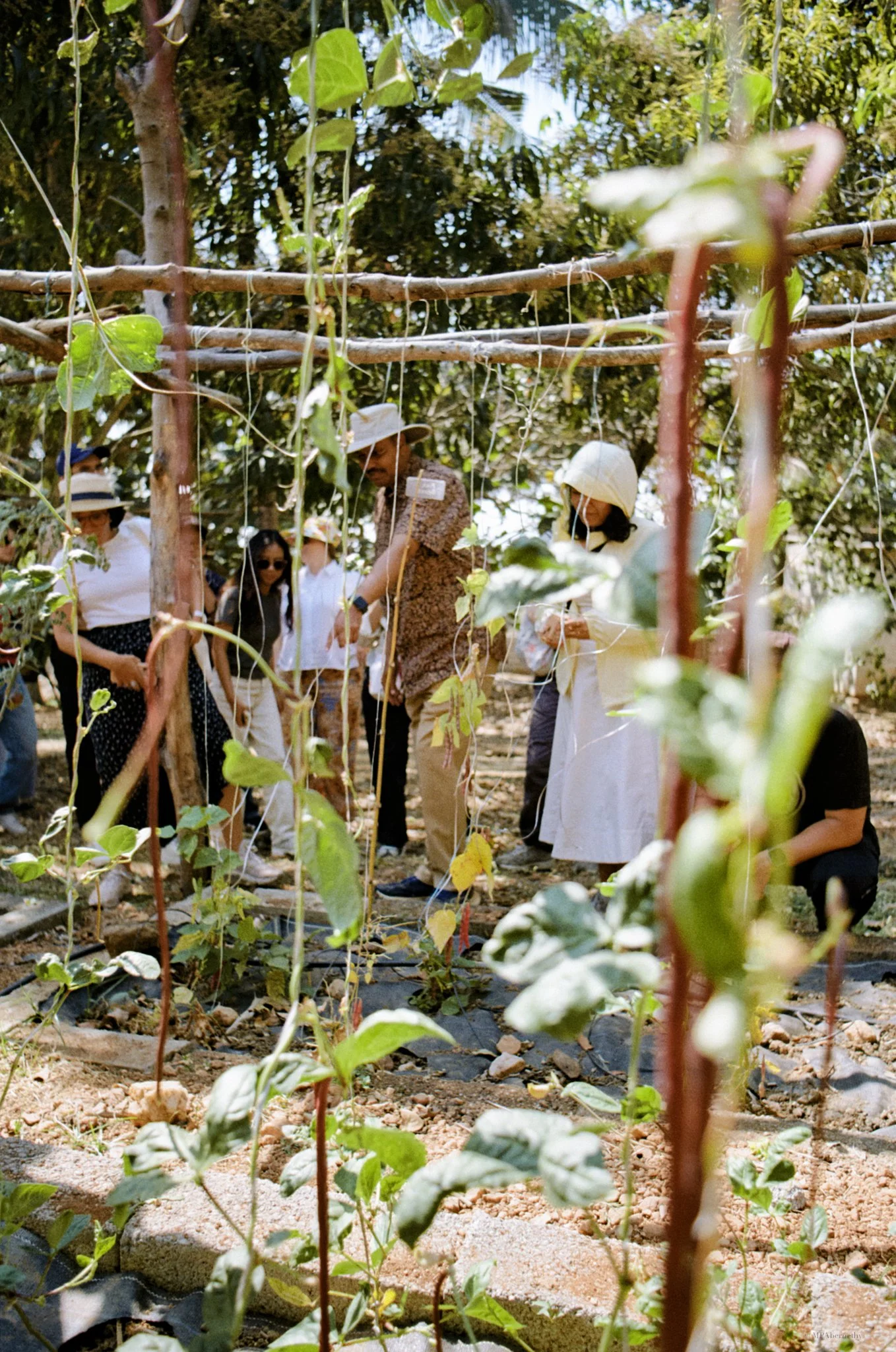
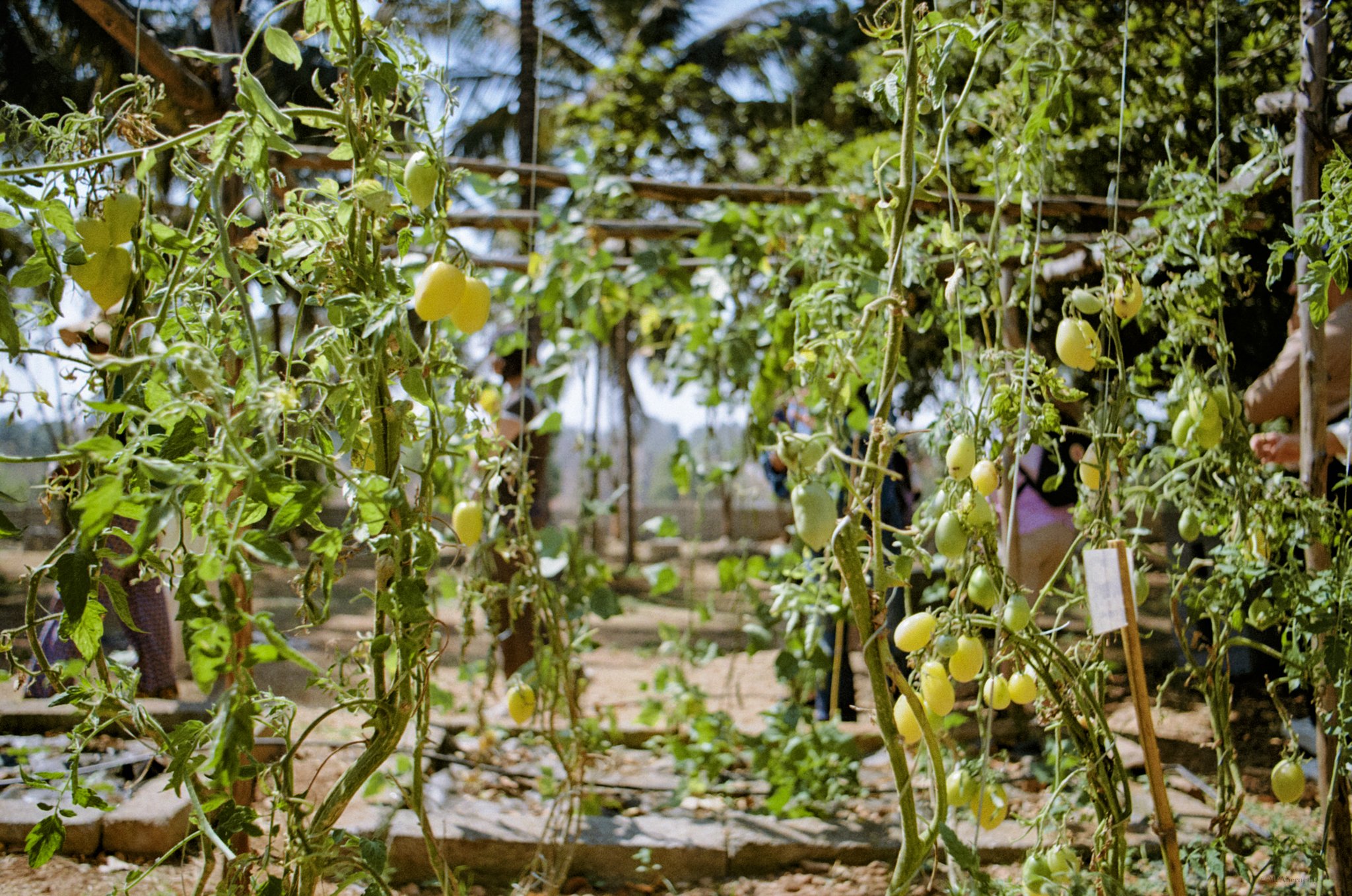
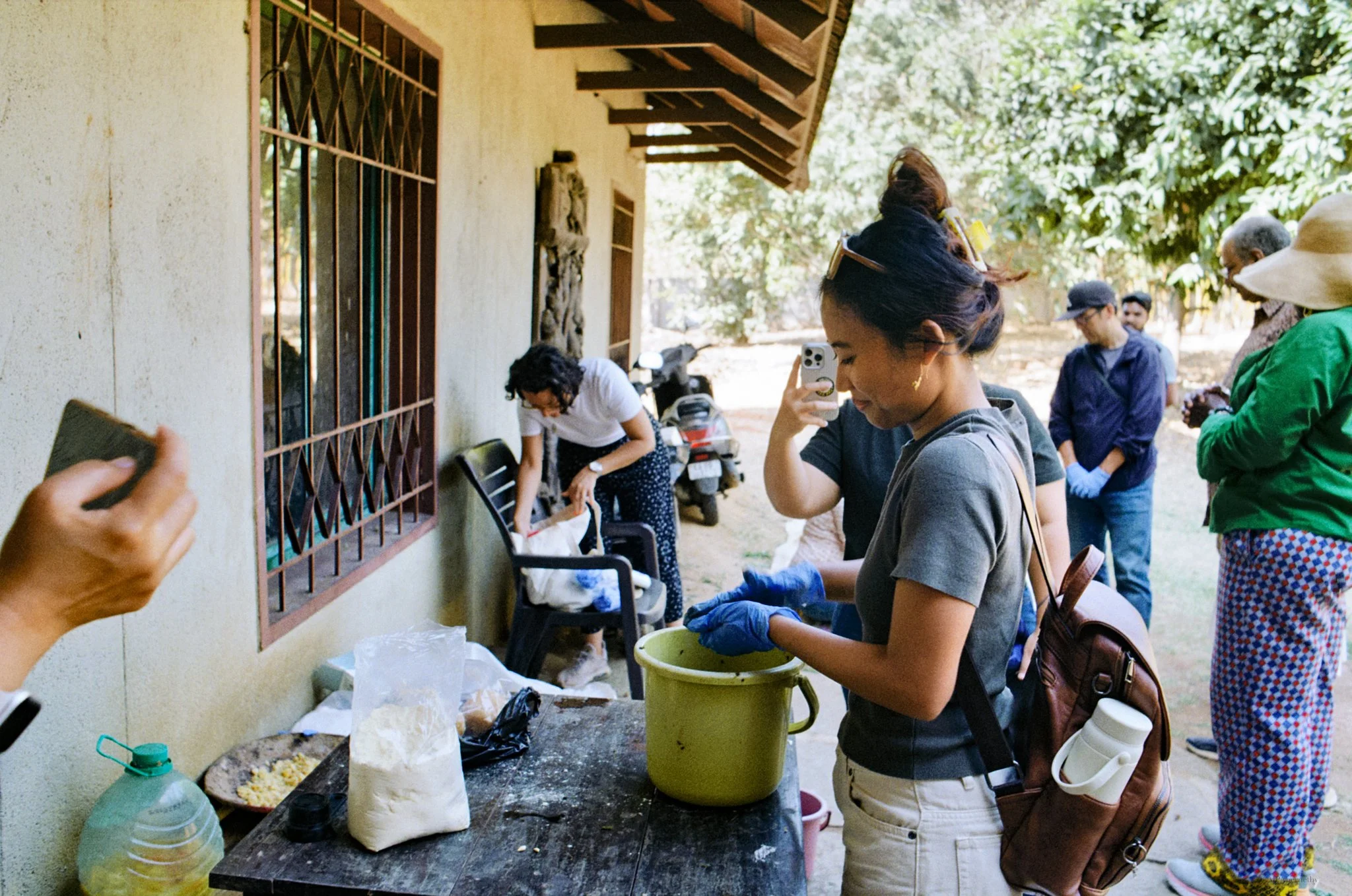
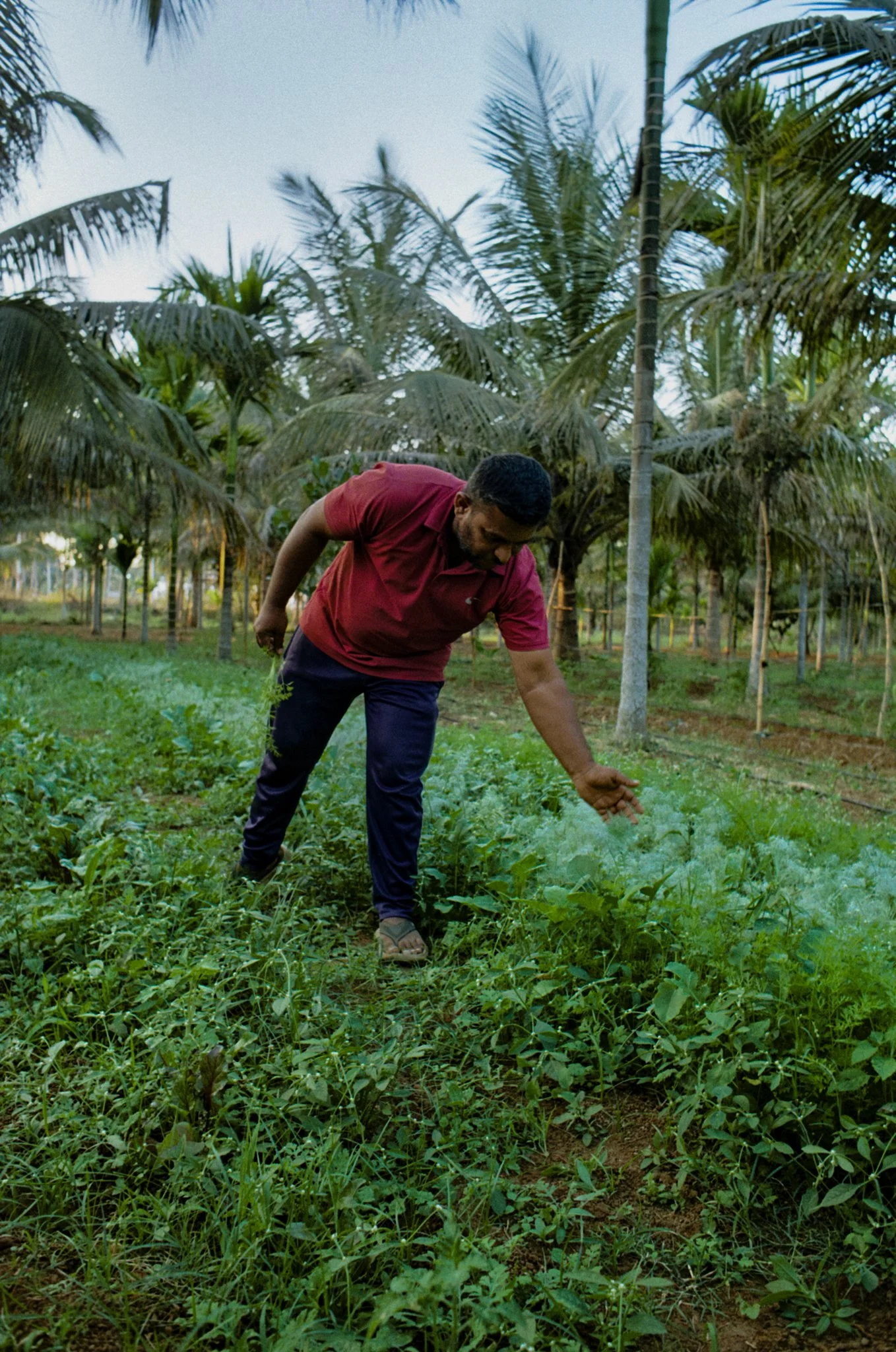
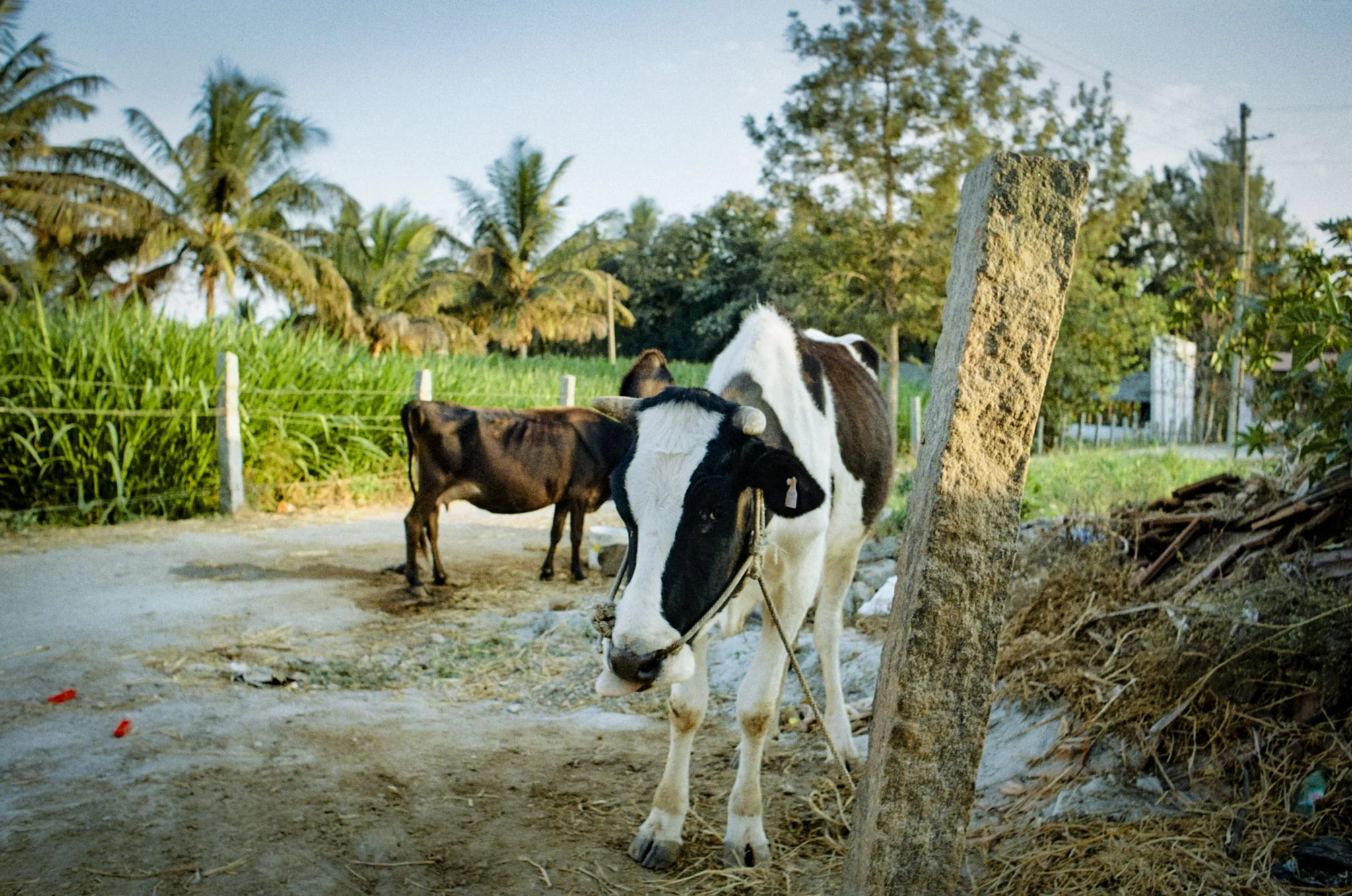
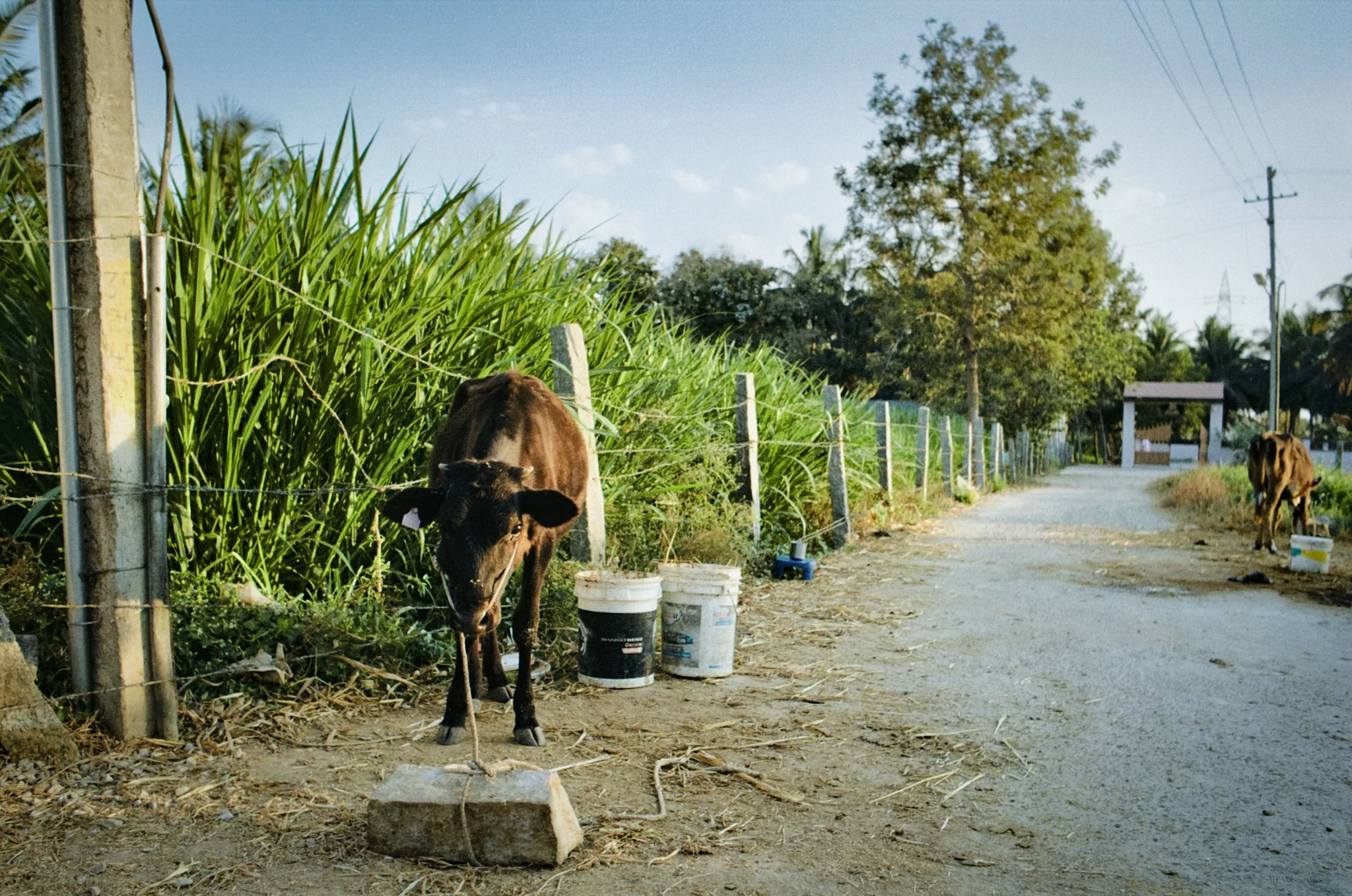
The Hariyalee Seeds initiative in Bengaluru is rooted in a commitment to food justice and ecological sustainability. Led by agriculturist Dr. Prabhakar Rao, the family-run farm protects over 500 endangered heirloom seed varieties, aiming to ensure nutritional abundance for future generations through sustainable practices. Dr. Rao promotes natural farming as an alternative to industrial agriculture, criticizing the Green Revolution’s monocultures and chemical use for damaging indigenous knowledge. He combines spiritual and traditional methods to restore ecosystems and advocate for food sovereignty. A key part of this approach is the native cow, Bos indicus, which plays a vital role in soil health and ecological balance. The farm uses a microbe-rich nutrient solution made from cow dung, urine, jaggery, and legumes to naturally unlock soil minerals, avoiding industrial inputs. The initiative also emphasises preservation, community education, and policy influence to promote sustainable, equitable practices. Ultimately, Dr. Rao’s vision links spirituality, community, and the environment to create a nourishing system for all living beings and the Earth.
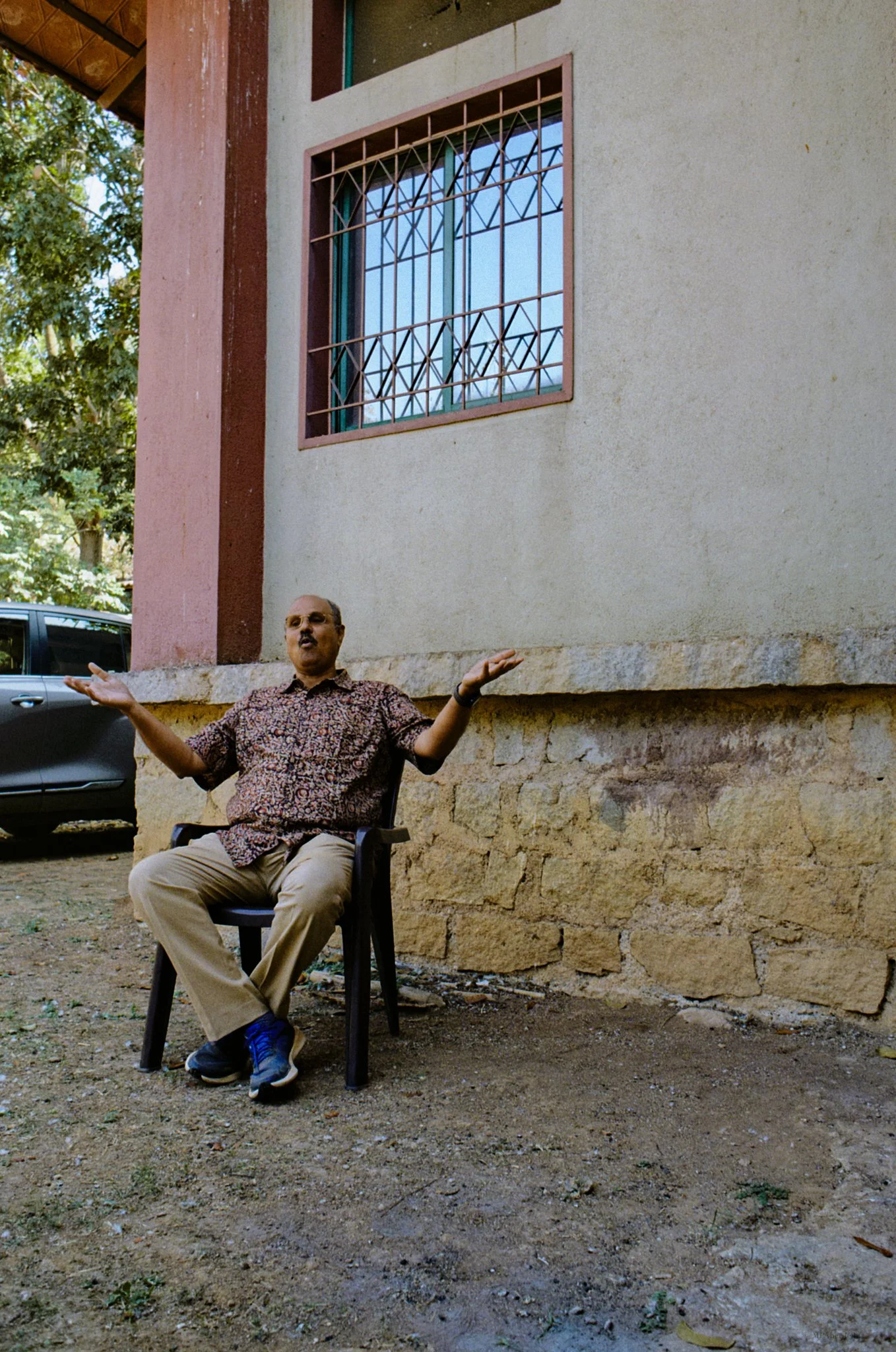
Pictured is Dr Rao himself—a natural farming expert and seed keeper. A guru in my eyes. We hung on every word.
After independence in 1947, food security in India became an urgent national question. The Green Revolution emerged as an answer to postcolonial hunger and dependence, promising abundance through higher-yield crops, irrigation, fertilisers, and state-supported production. In many ways, it succeeded: production increased dramatically. But it also narrowed food security into a question of yield, often prioritising rice, wheat, and chemical agriculture over soil health, seed diversity, nutrition, and farmer autonomy.
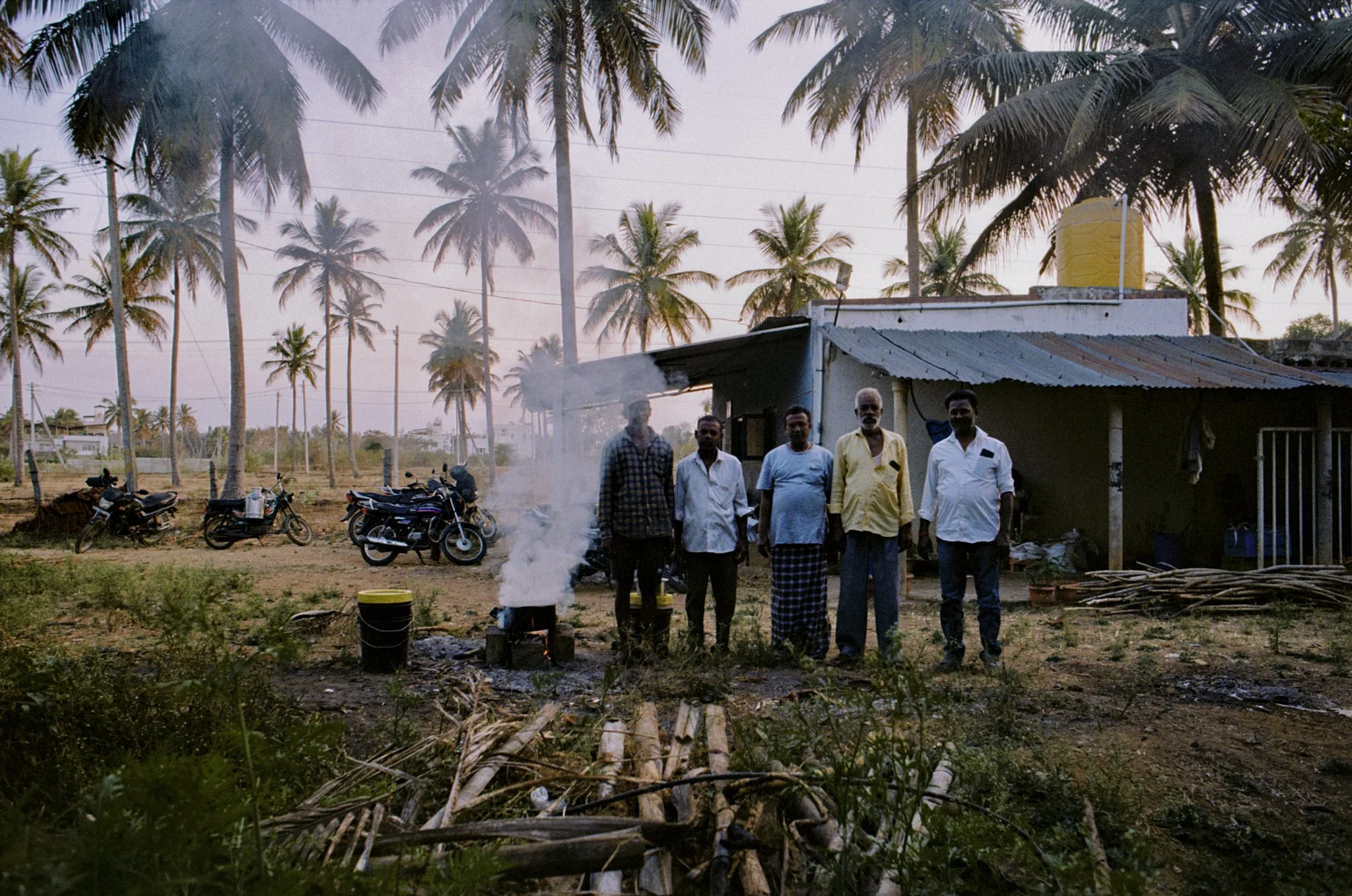
Sahaja Seeds -
Mr. Keshavmurthy family farm
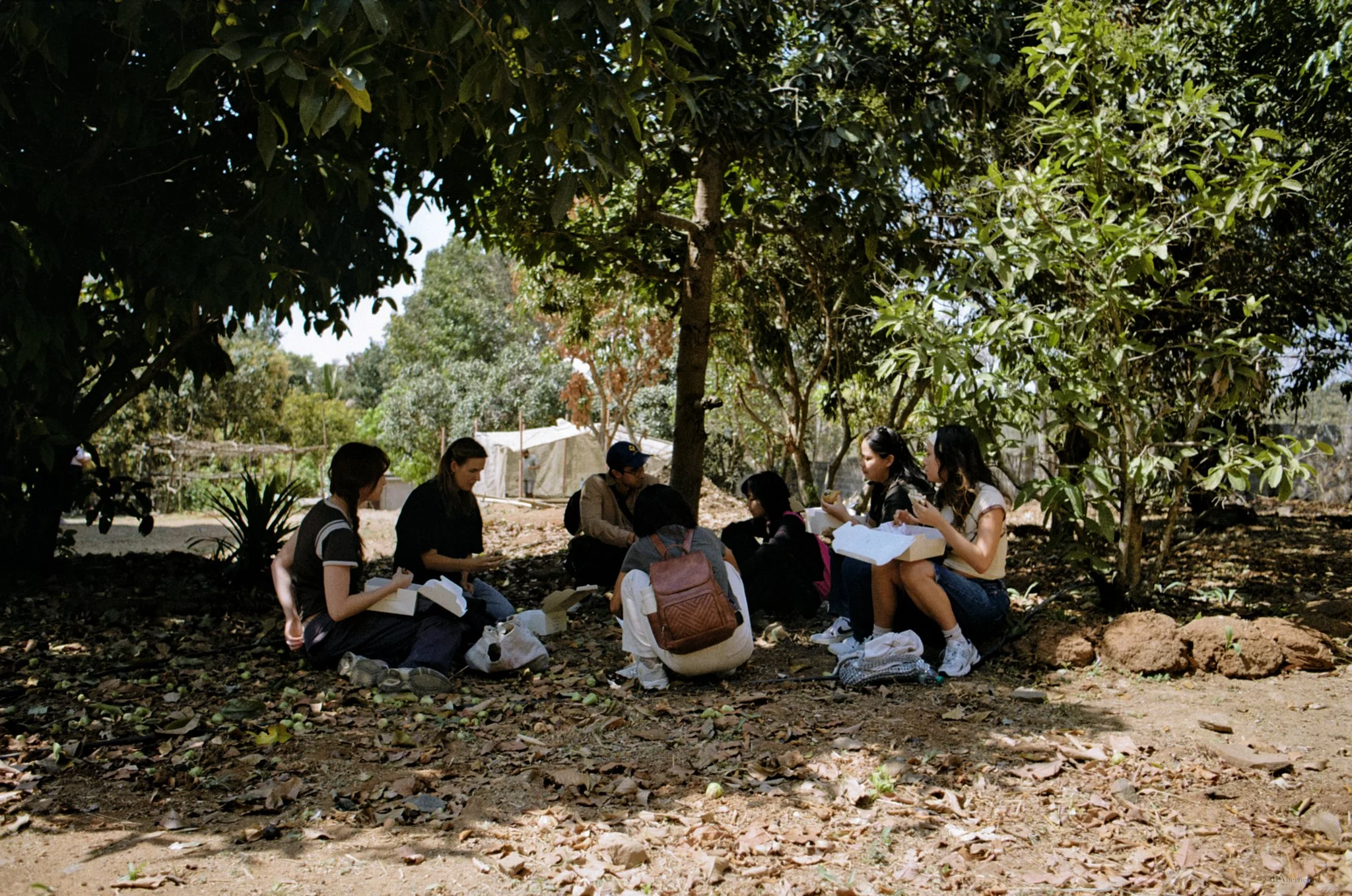
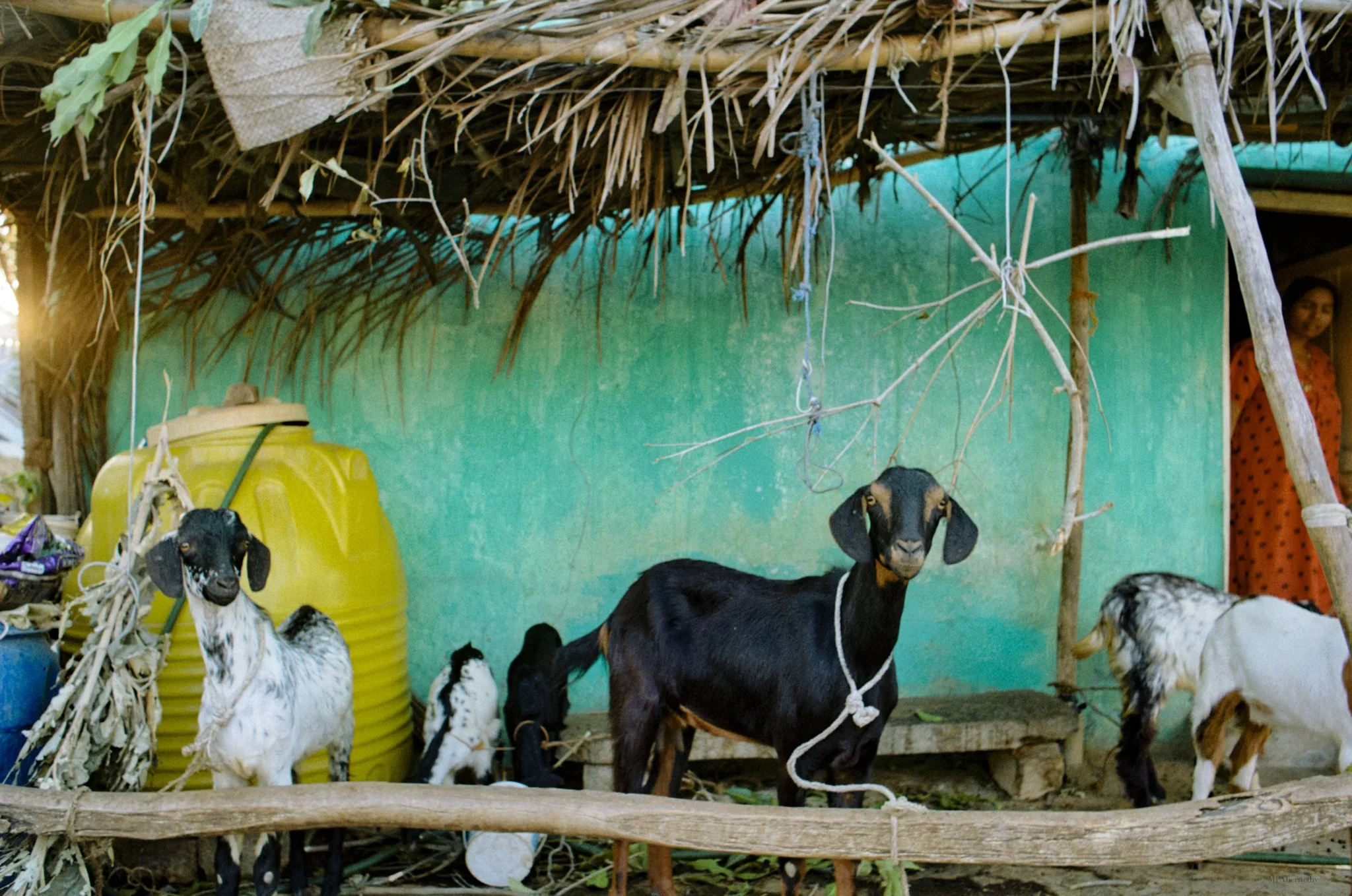
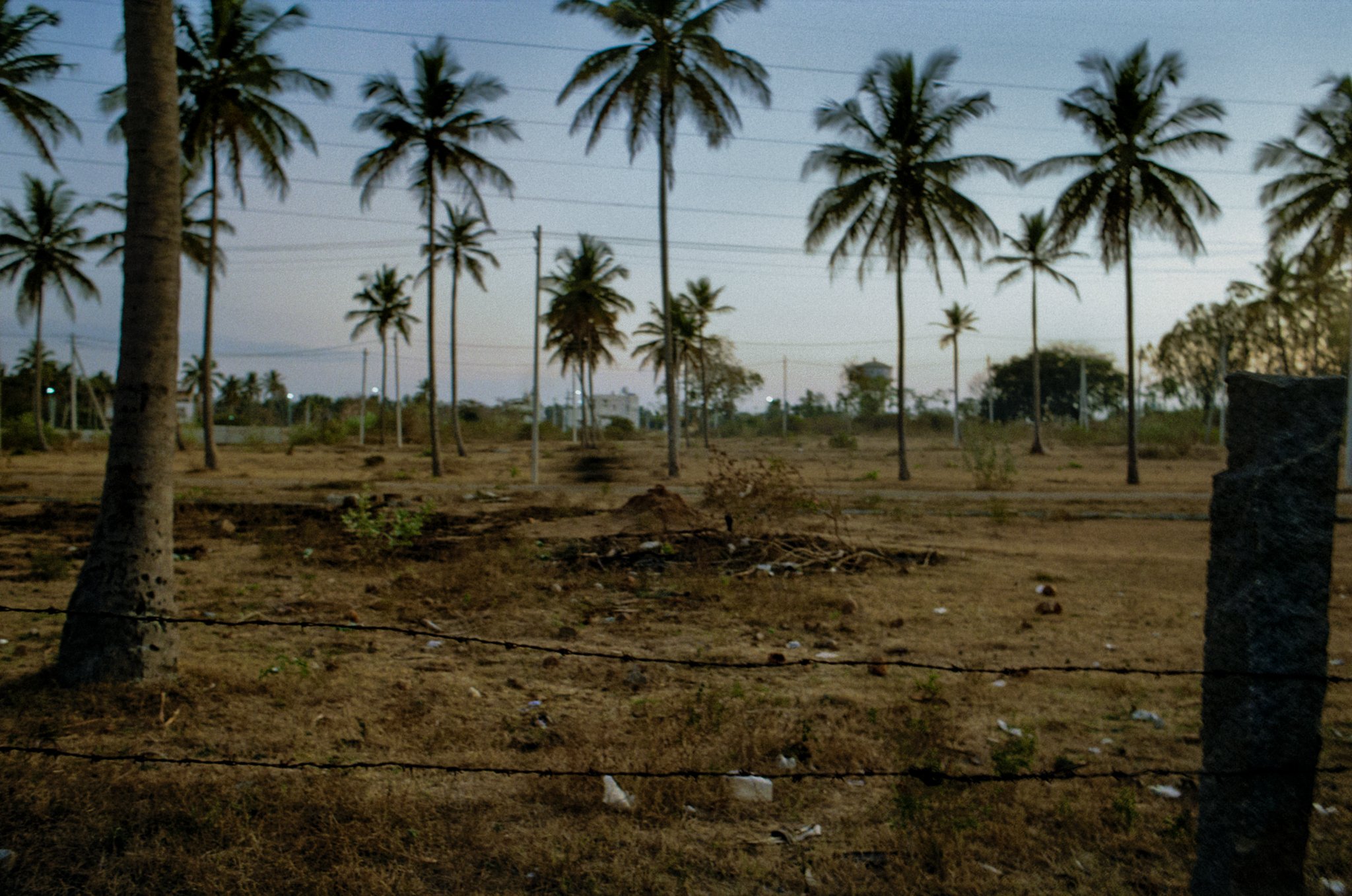
Against food systems shaped by extraction, dependency, and outside control, seed banks offer a practical form of sovereignty. Through reciprocity, farmers keep native seeds in circulation, protect local knowledge, and build food futures that are measured not only by yield but also by soil health, nutrition, autonomy, and community resilience.
Azim Premji University
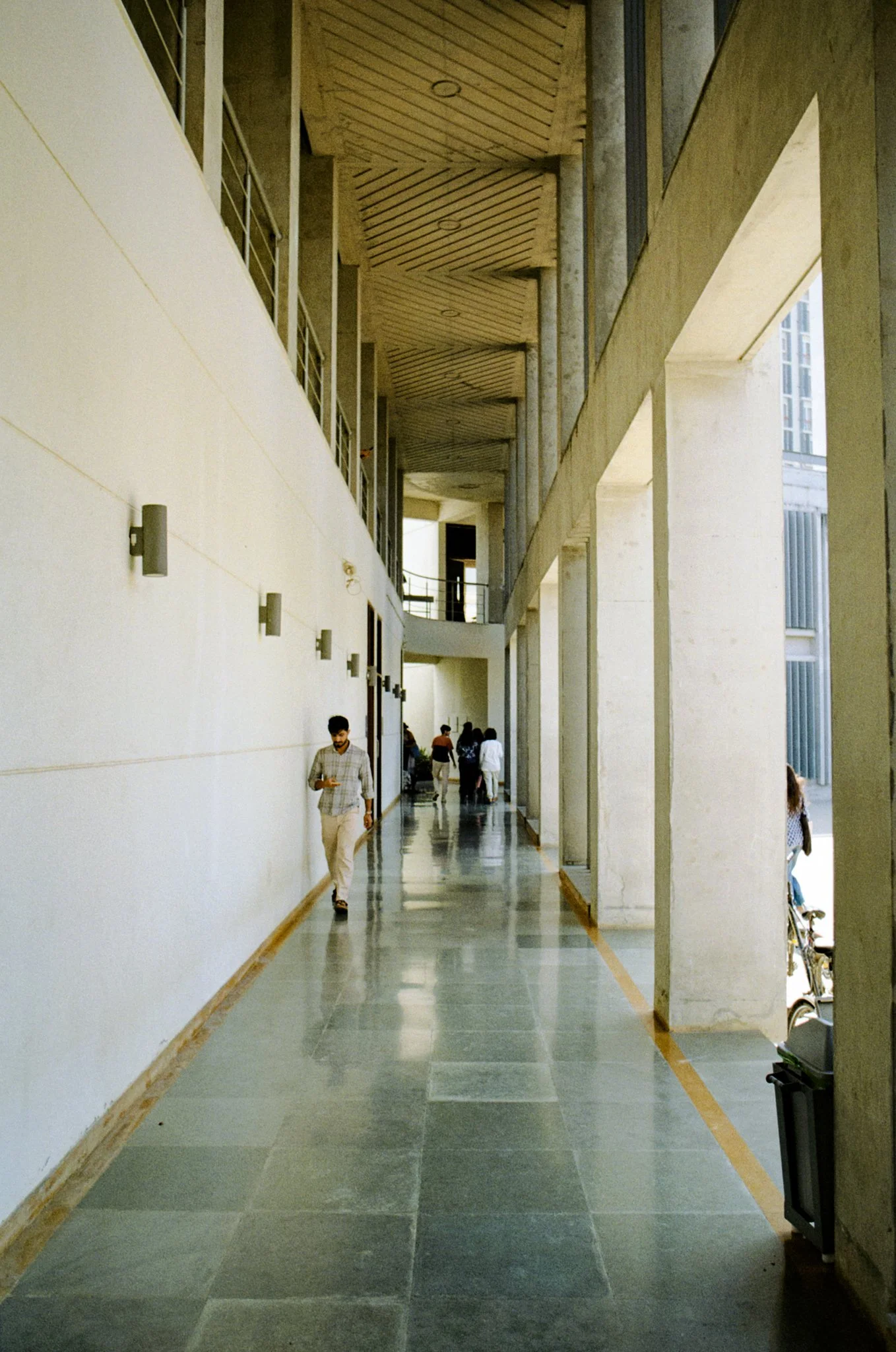
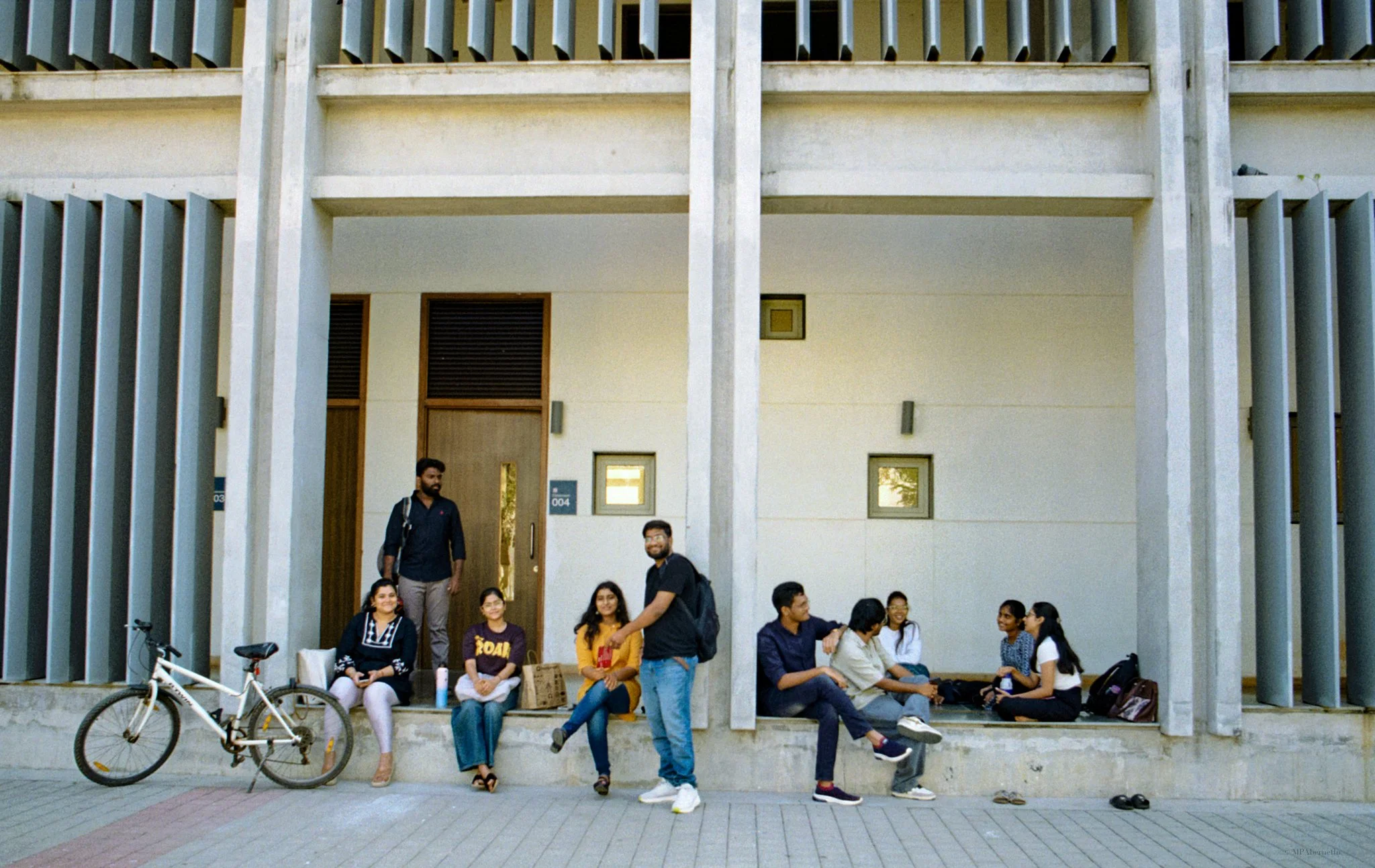
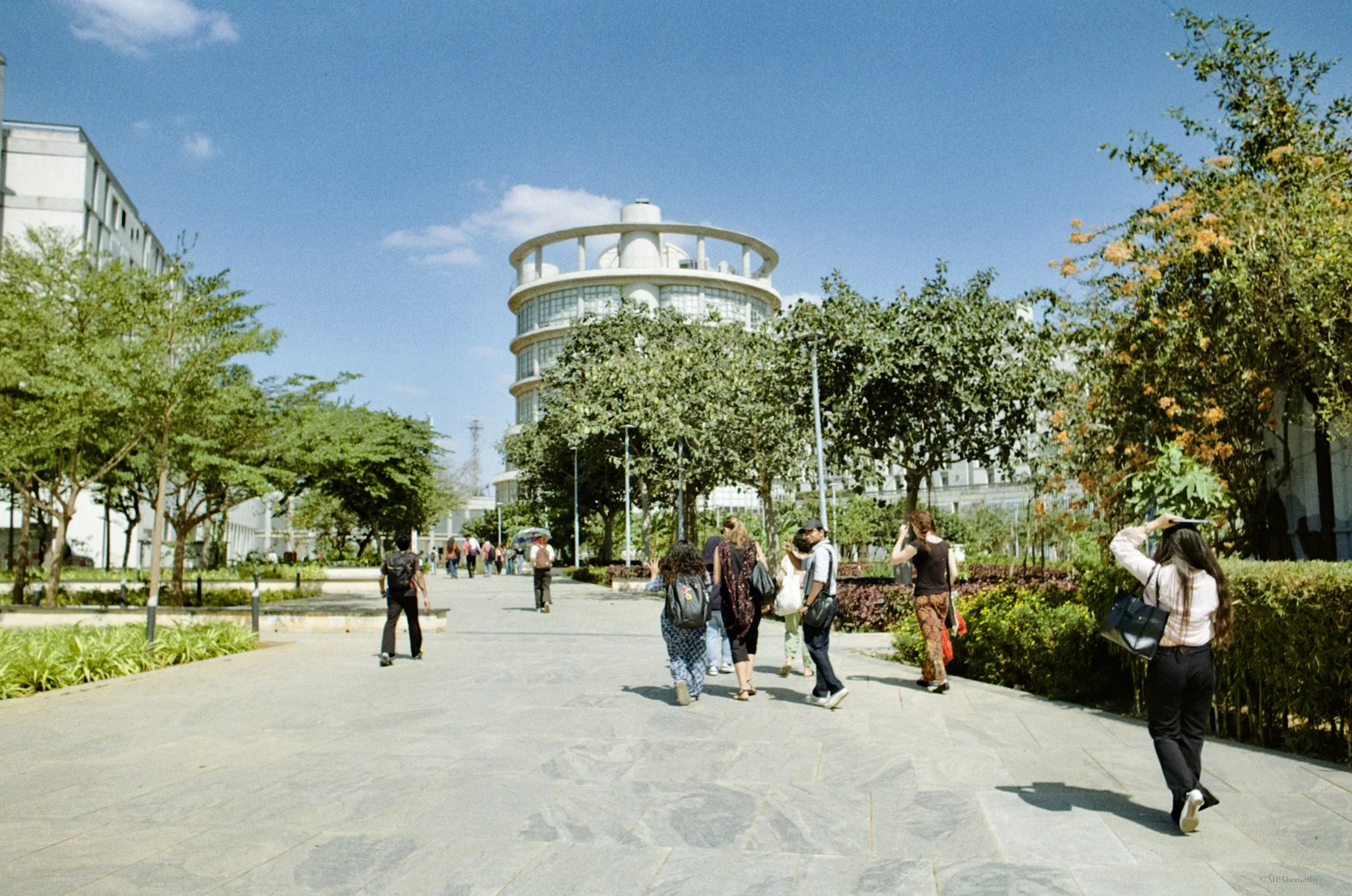
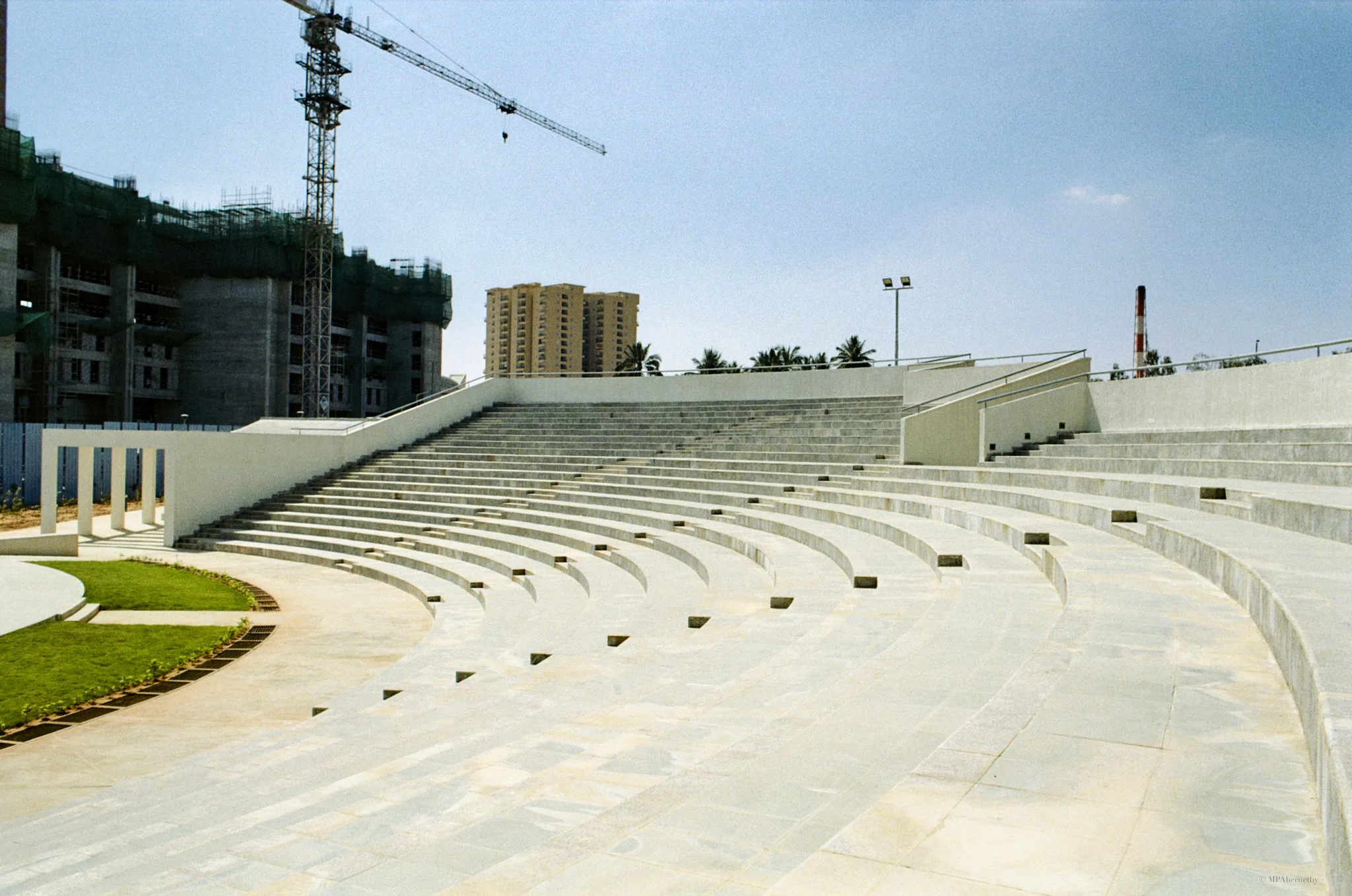
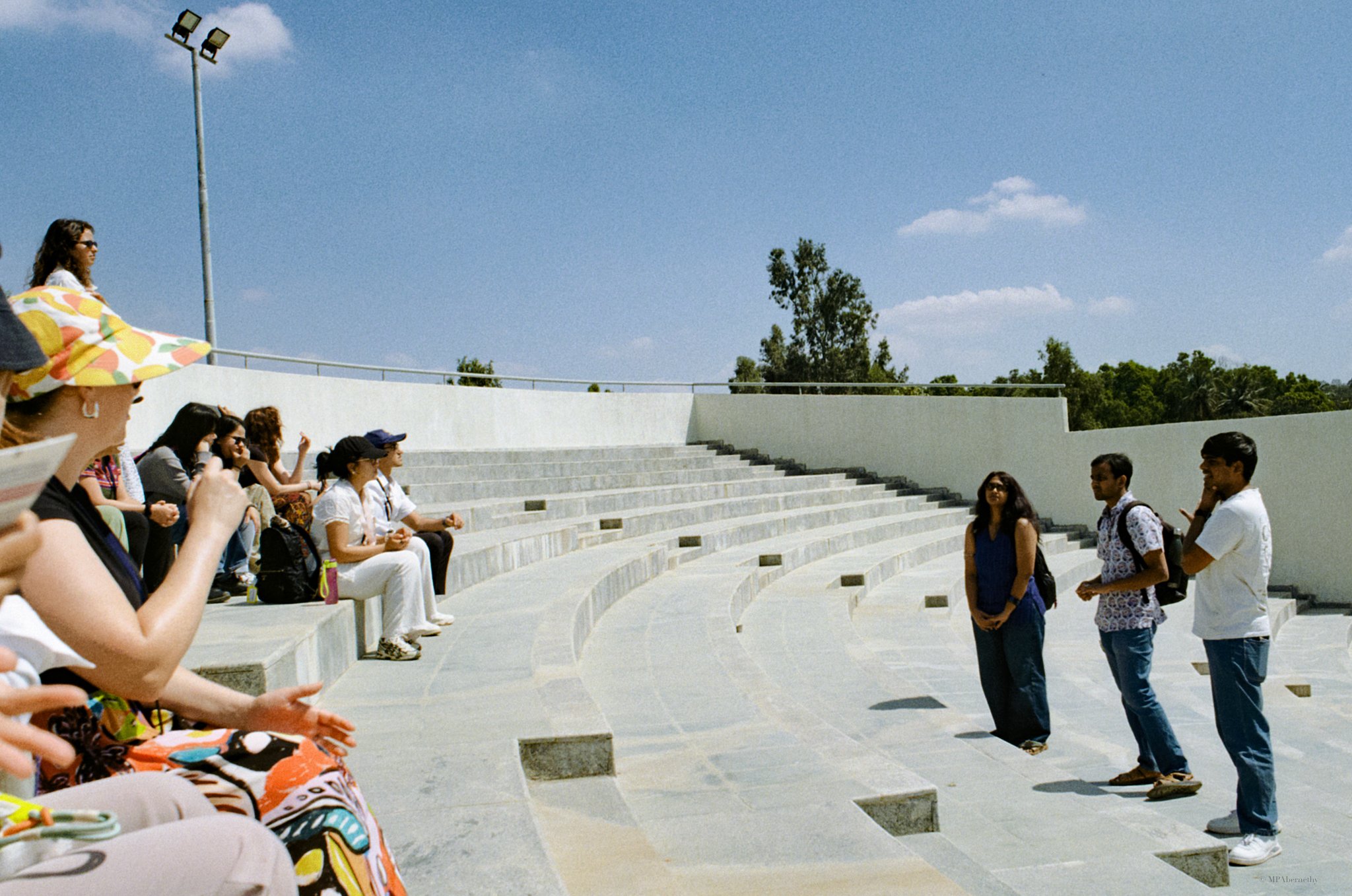
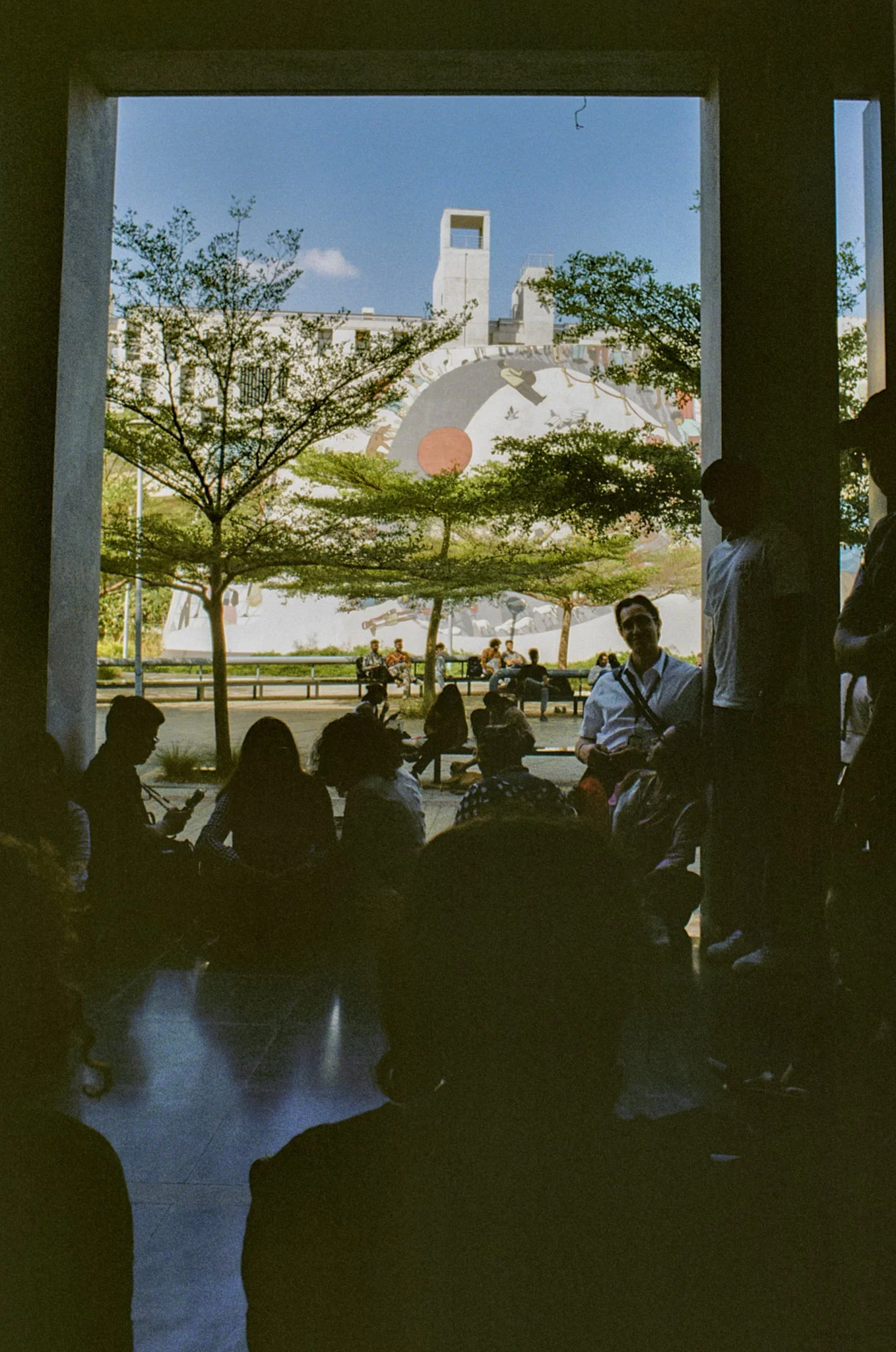
Speaking of innovation, Azim Premji University felt like a rare example of an institution practising what it teaches. Sustainably designed, deeply inclusive, and oriented toward social change, the campus seemed to hold environmental stewardship and social justice together in everyday life.
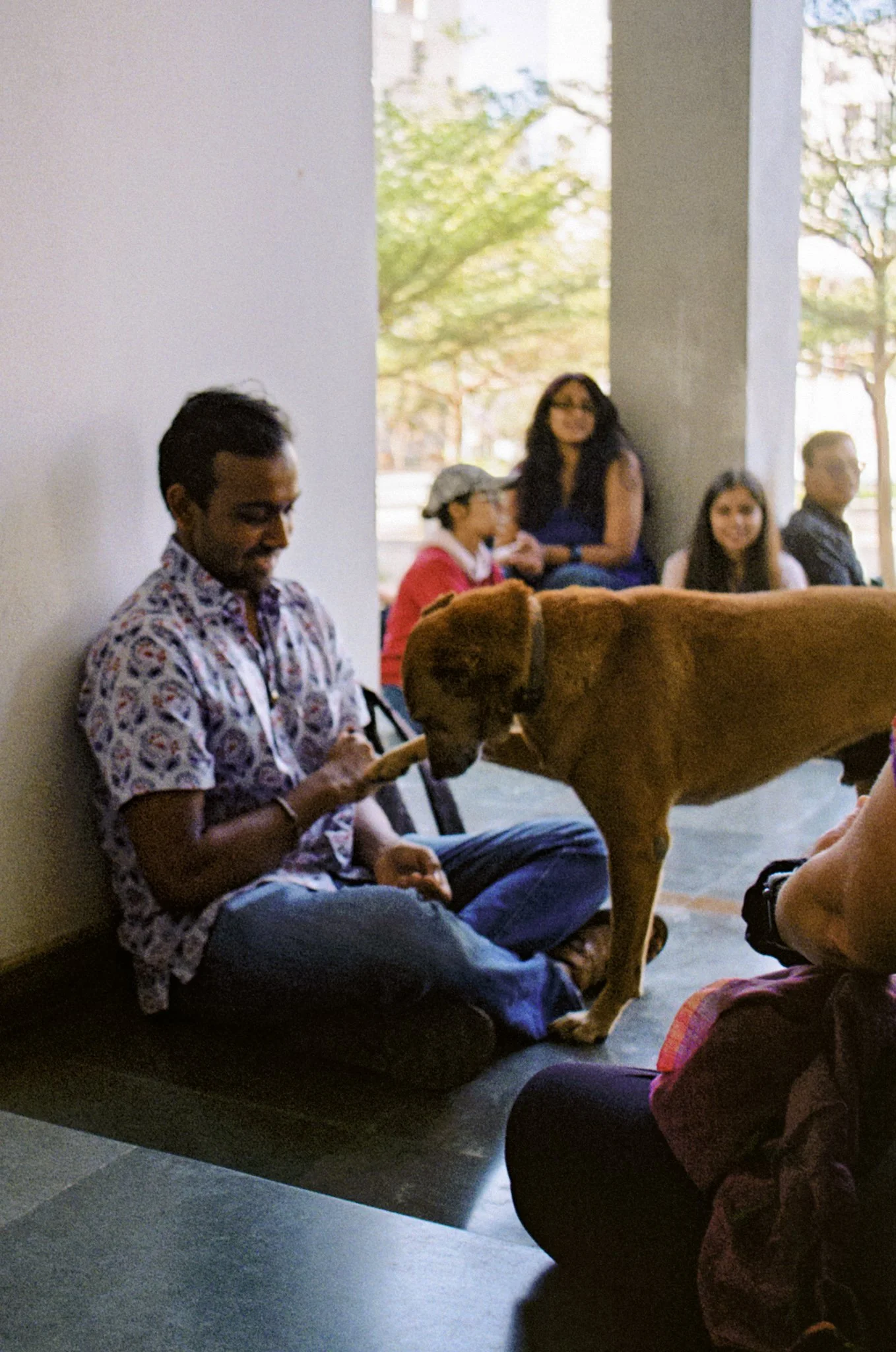
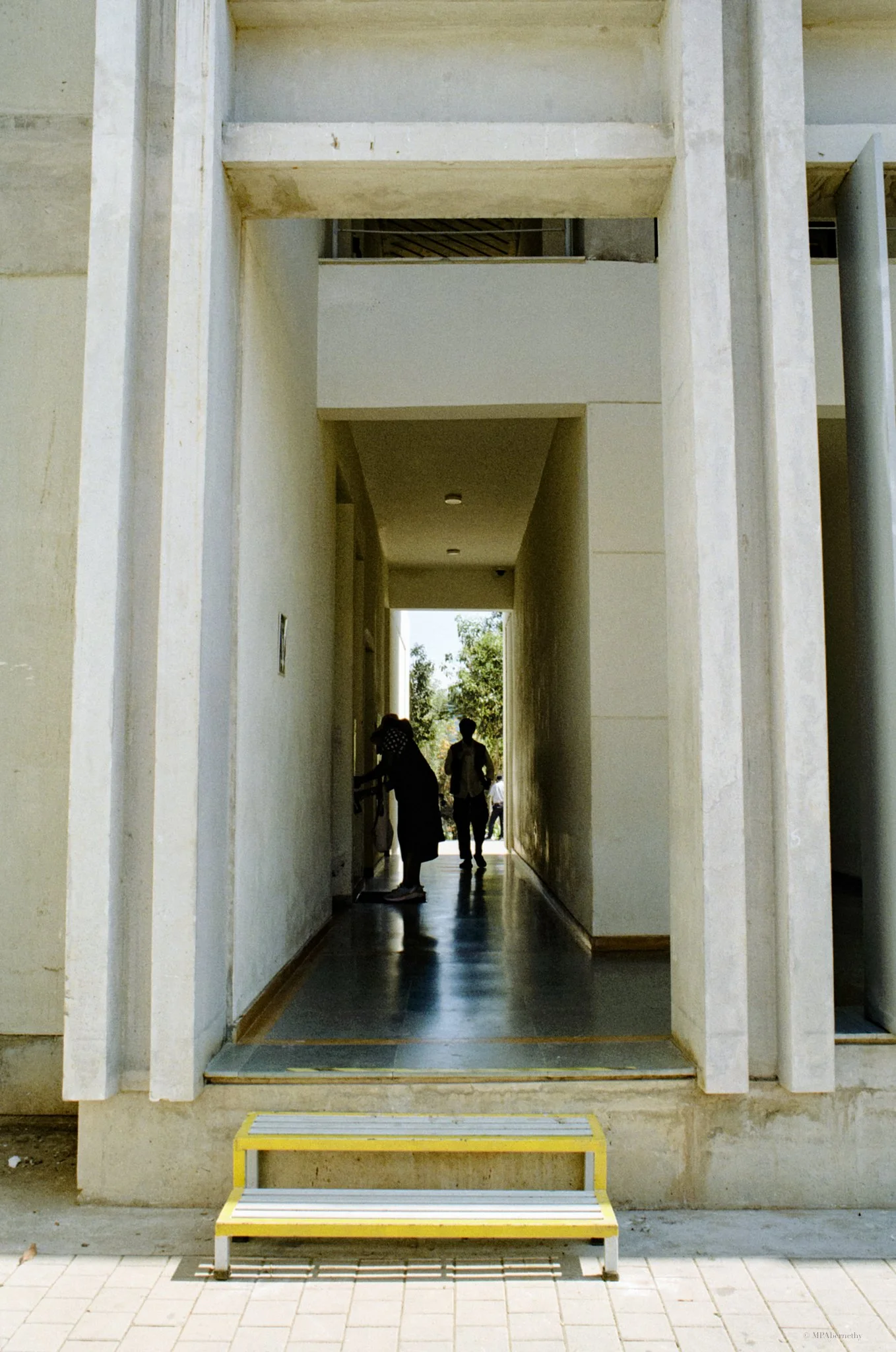
Led down cool, airy hallways by Anum, Ishan and other students, I was genuinely moved by the many friendly encounters along the way. The student-led tour showed sustainability woven into the university’s rhythms: water-management systems, farming initiatives, thrift projects, native planting, accessible design, gender-neutral spaces, and—my favourite—the PAWS dog-caring collective that looks after the campus strays.
What stayed with me was not just the scale of the campus, but the sense that students were actively shaping it — testing ideas, learning by doing, and imagining what a more just institution could look like.






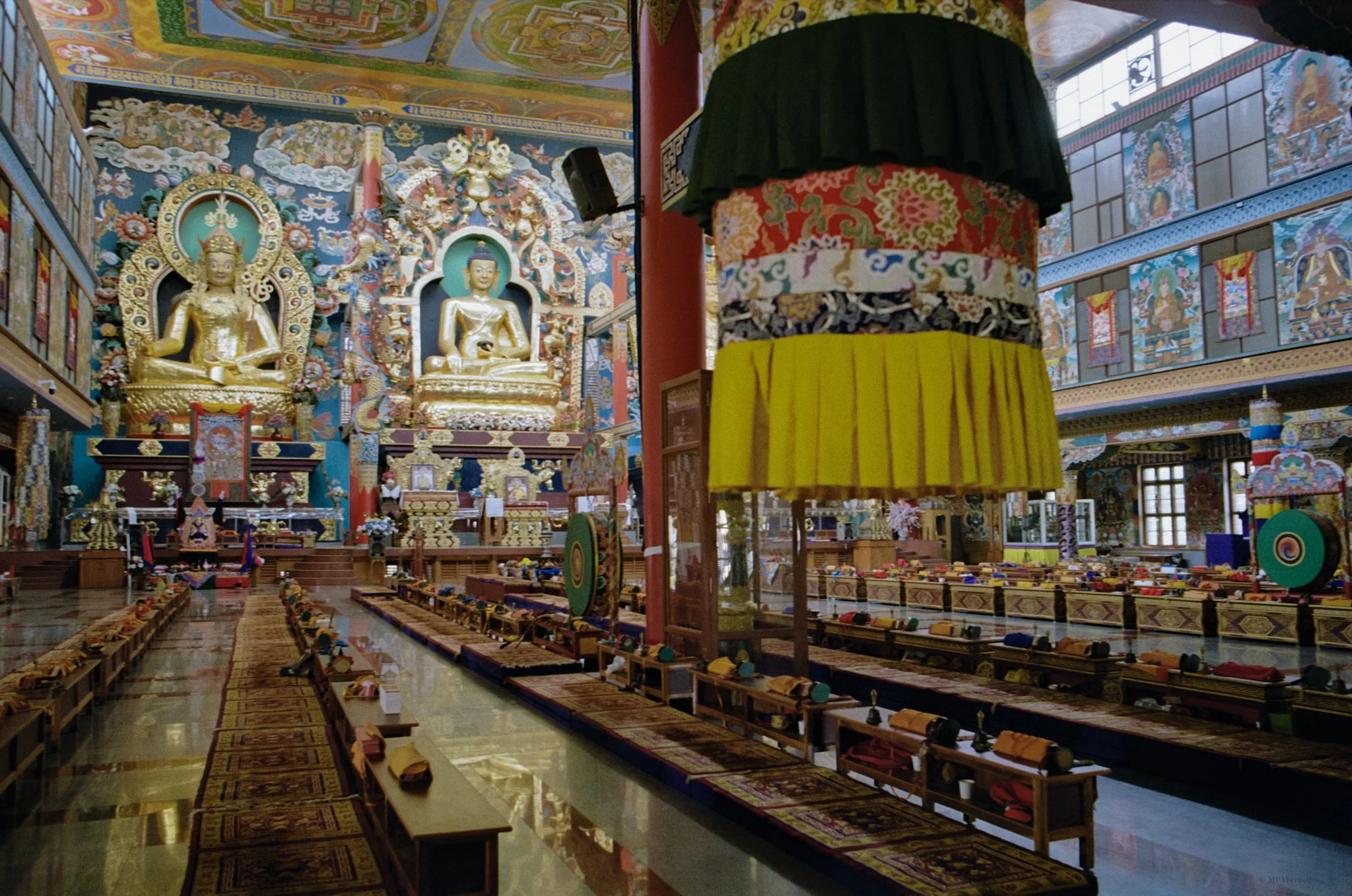
Bylakuppe, in Karnataka’s Kodagu district near Kushalnagar, is one of the largest Tibetan settlements in India and is often called “Mini Tibet.” Established in the 1960s, it has become an important centre for Tibetan Buddhism, home to several monasteries, including Namdroling Monastery, also known as the Golden Temple.
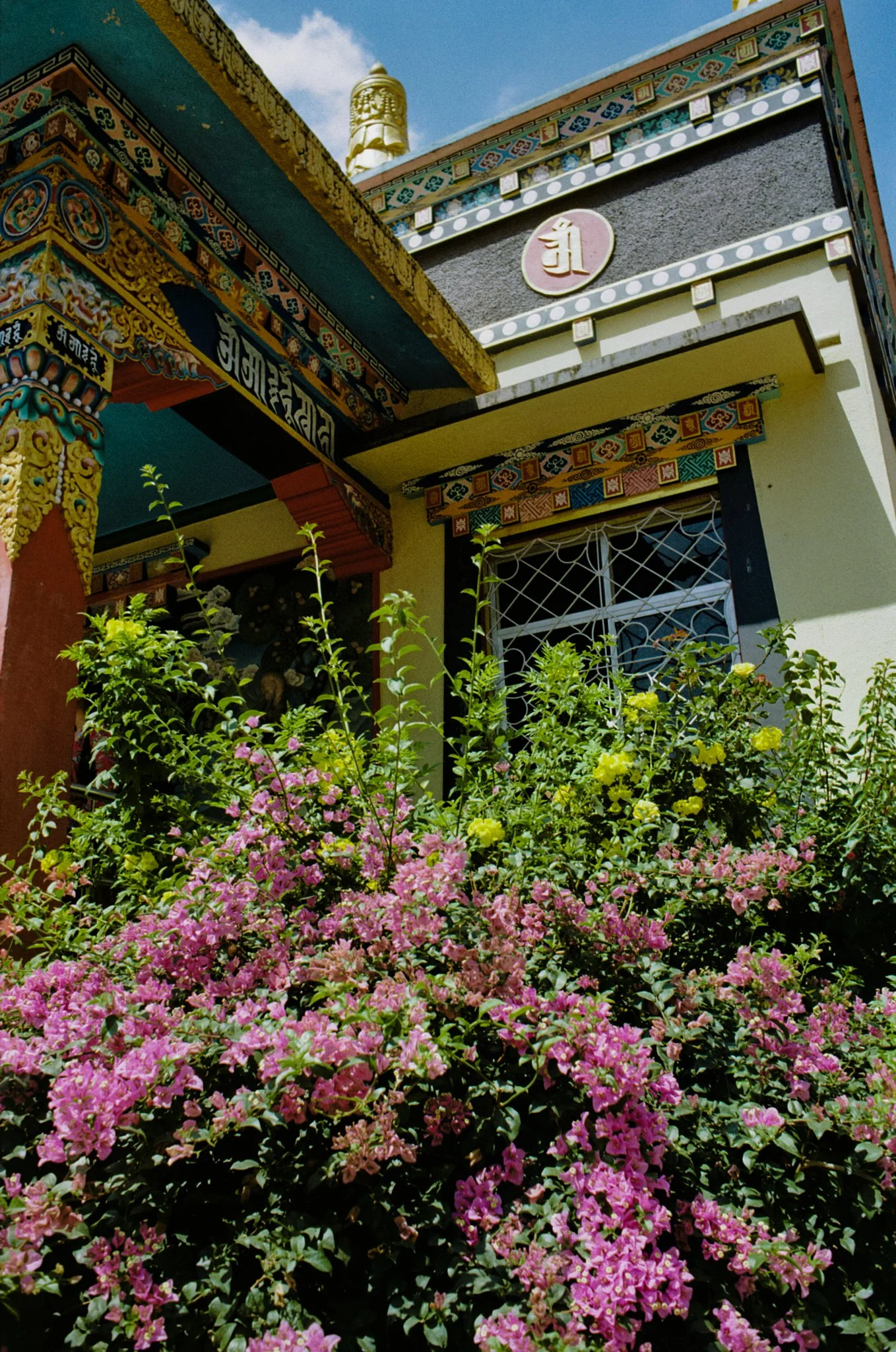


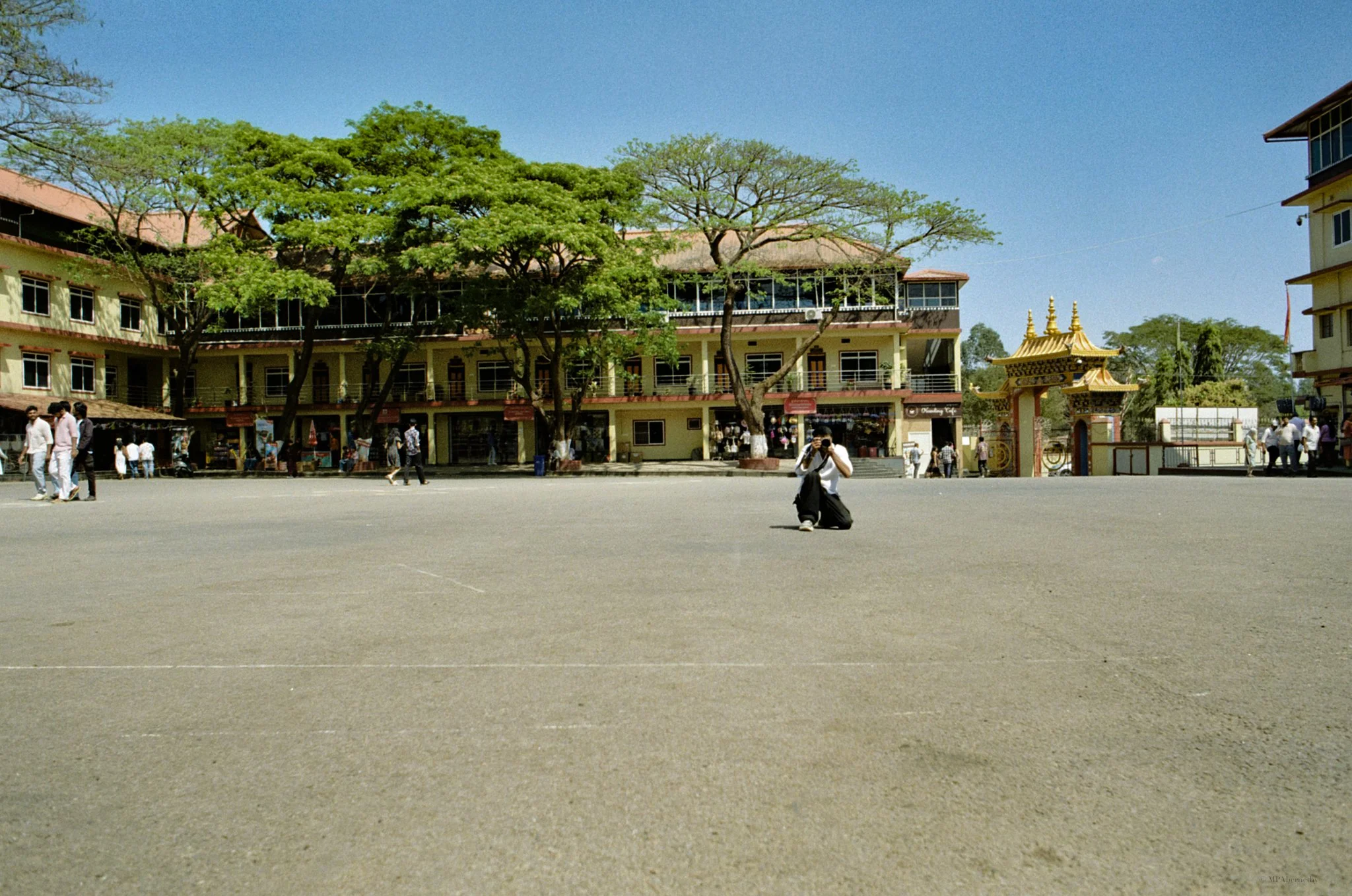
Food was offered just before or during the chants. I was struck by the fact that these offerings often arrived in plastic bags, or as large bottles of Fanta and Coca-Cola. There was something almost funny, but also deeply revealing, in seeing such commercial packaging inside a space that felt so peaceful and spiritually charged. The chanting had a profound effect on many of us — some were moved to tears, others seemed to fall into a kind of quiet release. In that moment, the monastery felt almost transformative. And yet, within that stillness sat the bright packaging of global consumer culture. It reminded me that spirituality does not exist outside everyday life or capitalism; it persists within and alongside it, even in forms that feel jarring or contradictory.
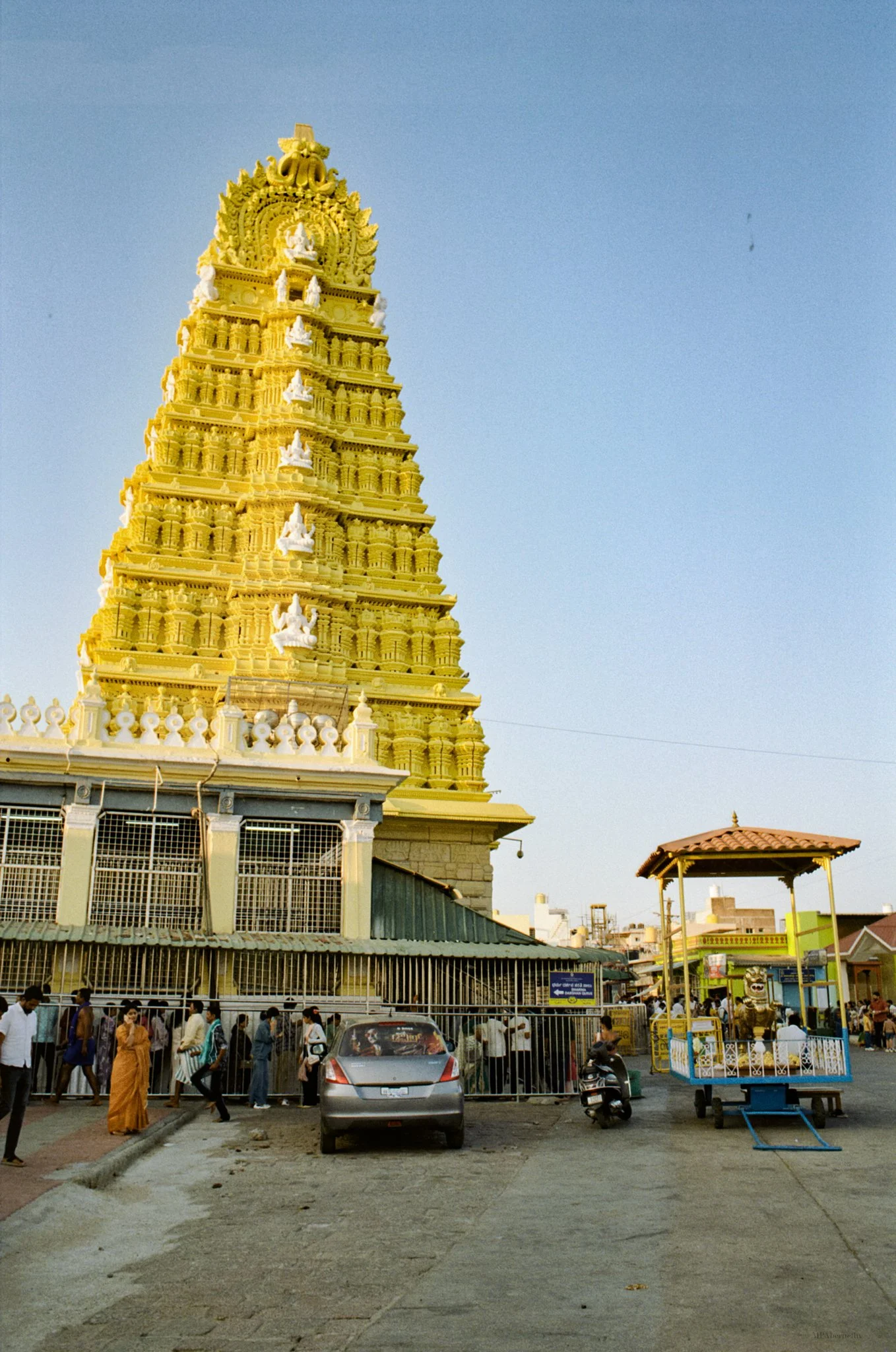
Chamundeshwari Temple
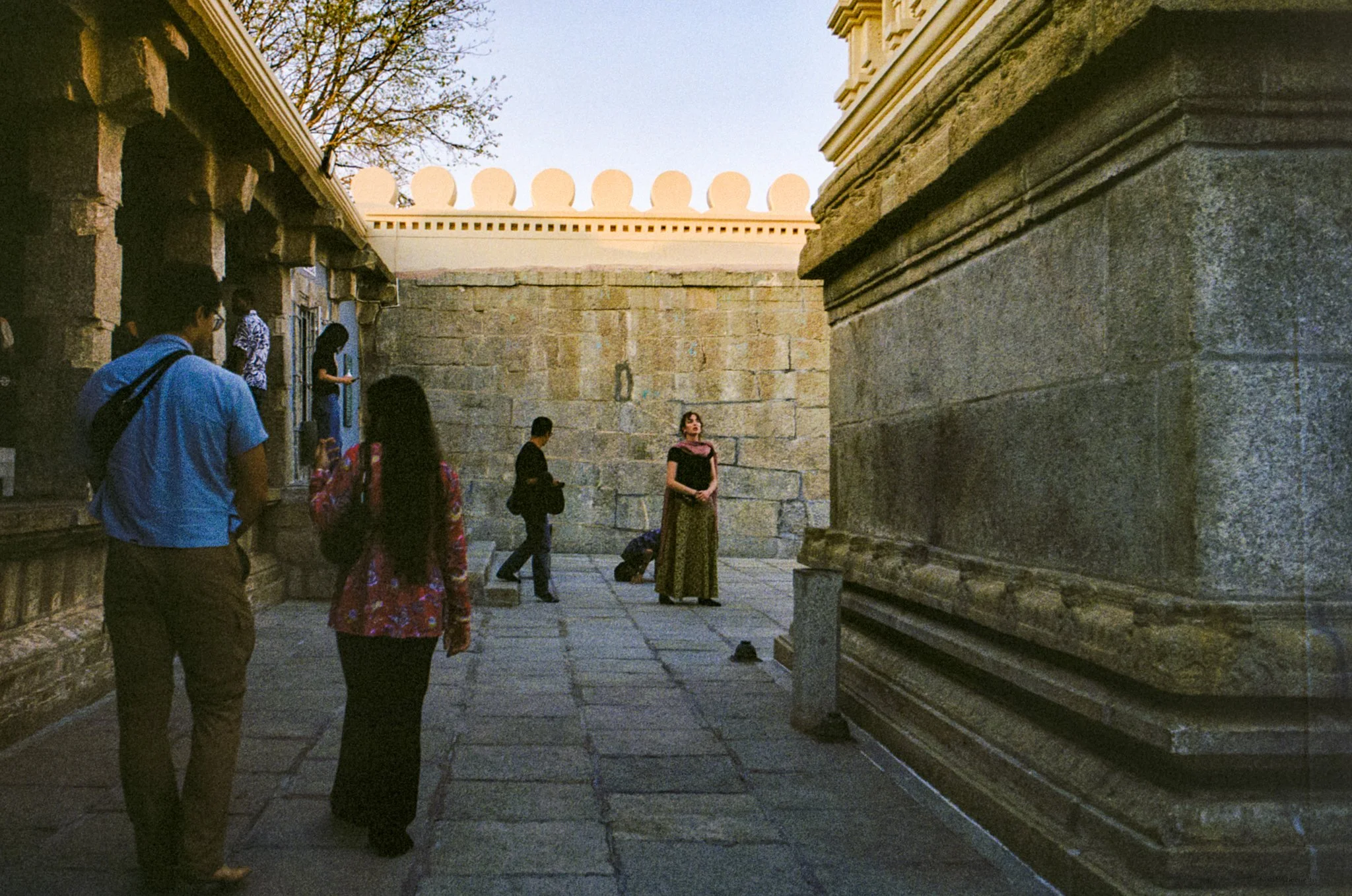
Shri Chamundeshwari Temple felt like a hive of activity: vendors selling offerings outside, crowds pressing forward, bare feet moving over stone, and devotees making their way through the temple to pray. It was a stark contrast to the quiet stillness of the Tibetan monastery. This was devotion as movement — loud, crowded, sensory, and deeply public.
But the two spaces were also connected. Both showed how religion lives through everyday practice: through food offerings, sound, touch, repetition, bodies, and community. One felt still and contemplative, the other crowded and kinetic, but both made spirituality feel embodied rather than abstract.
A Different Kind of Hunger
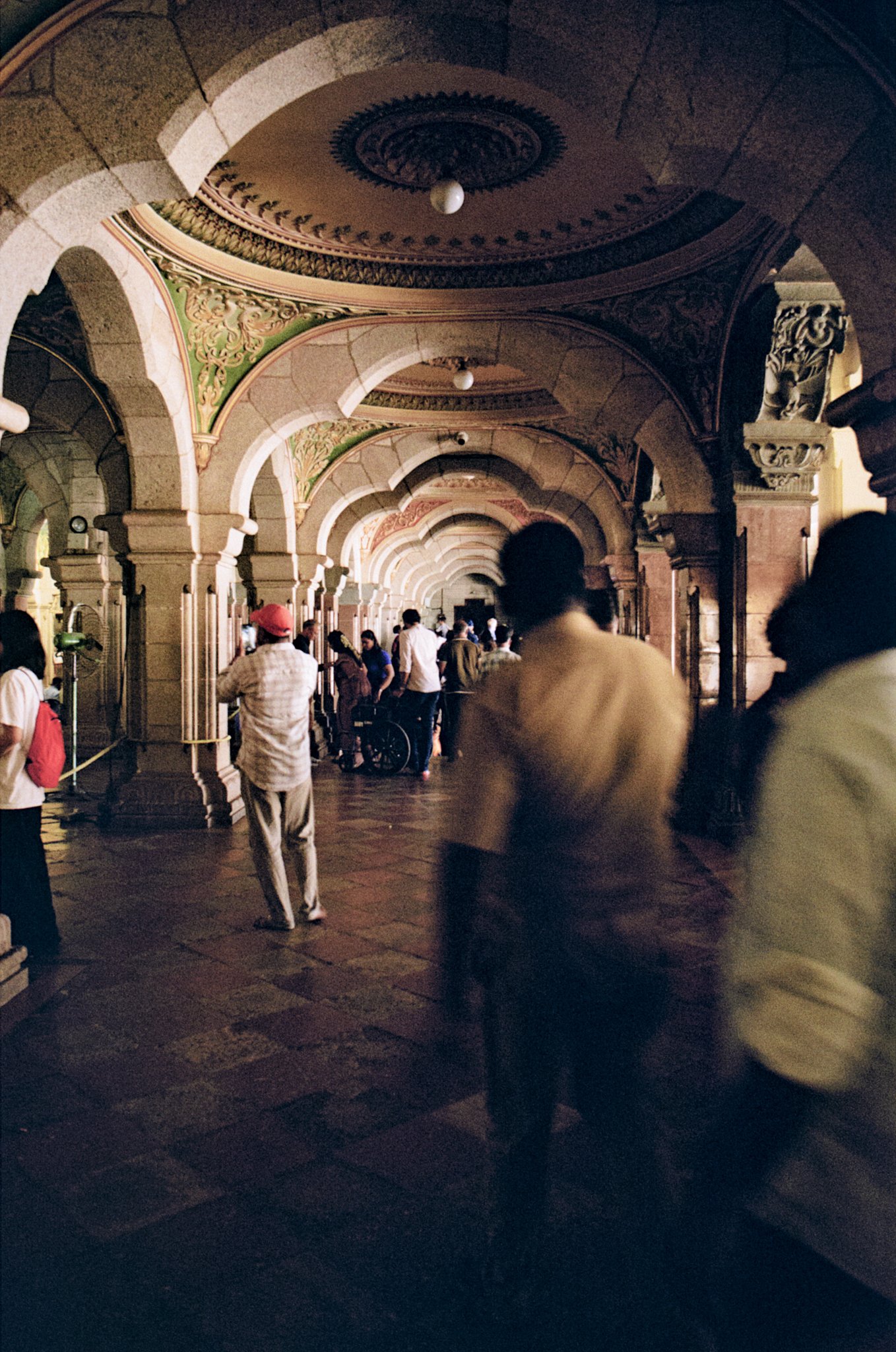
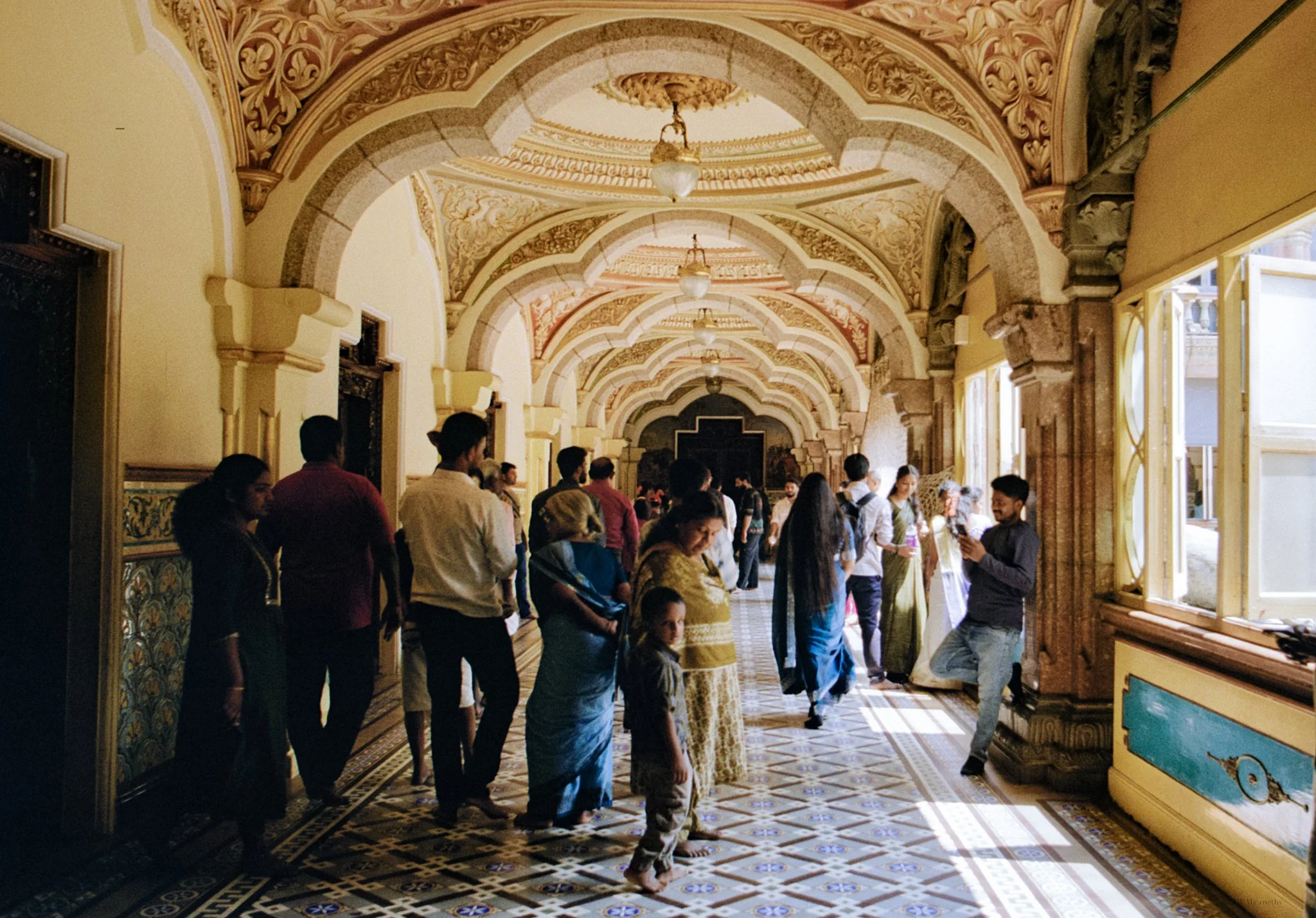
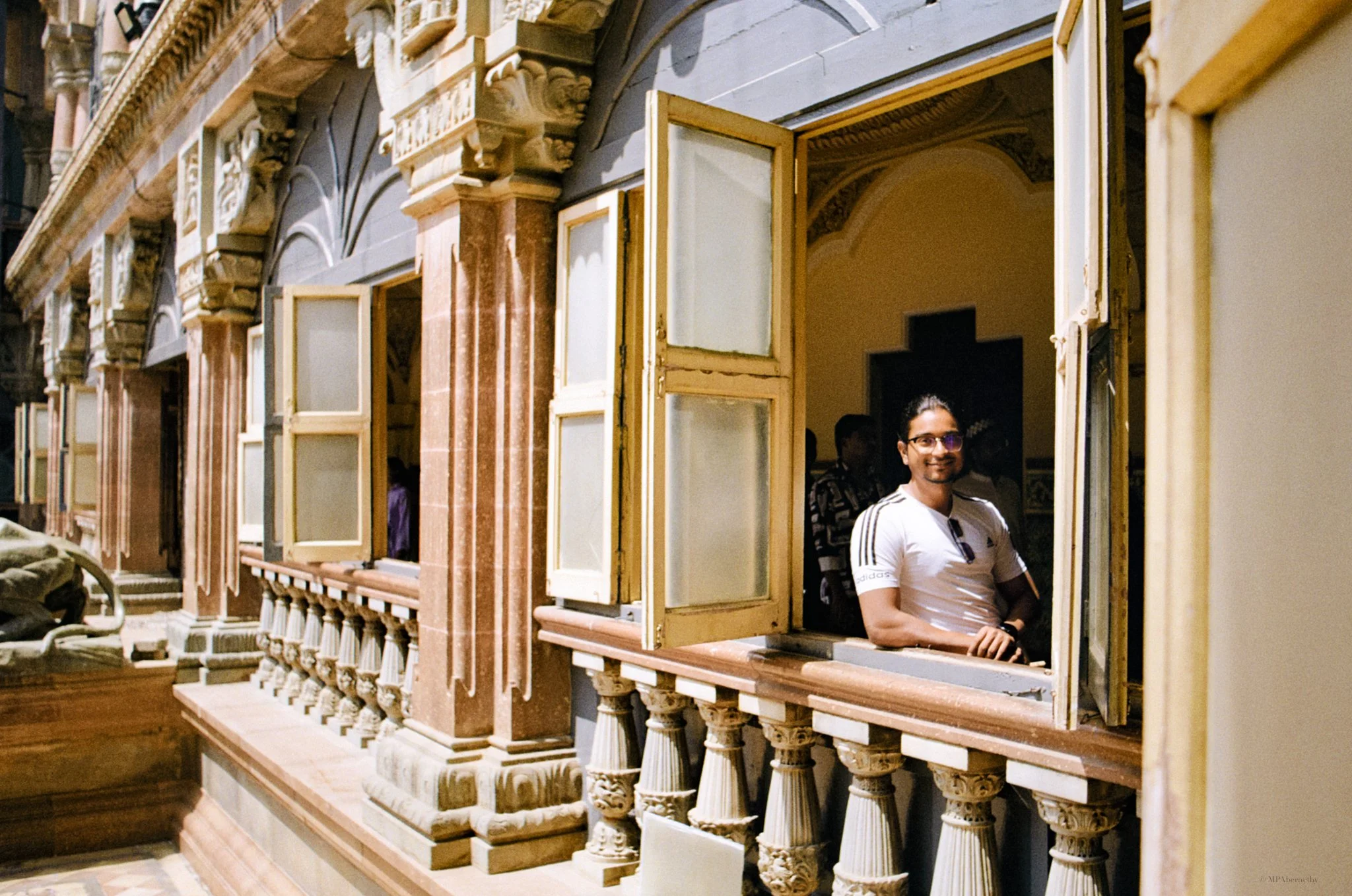
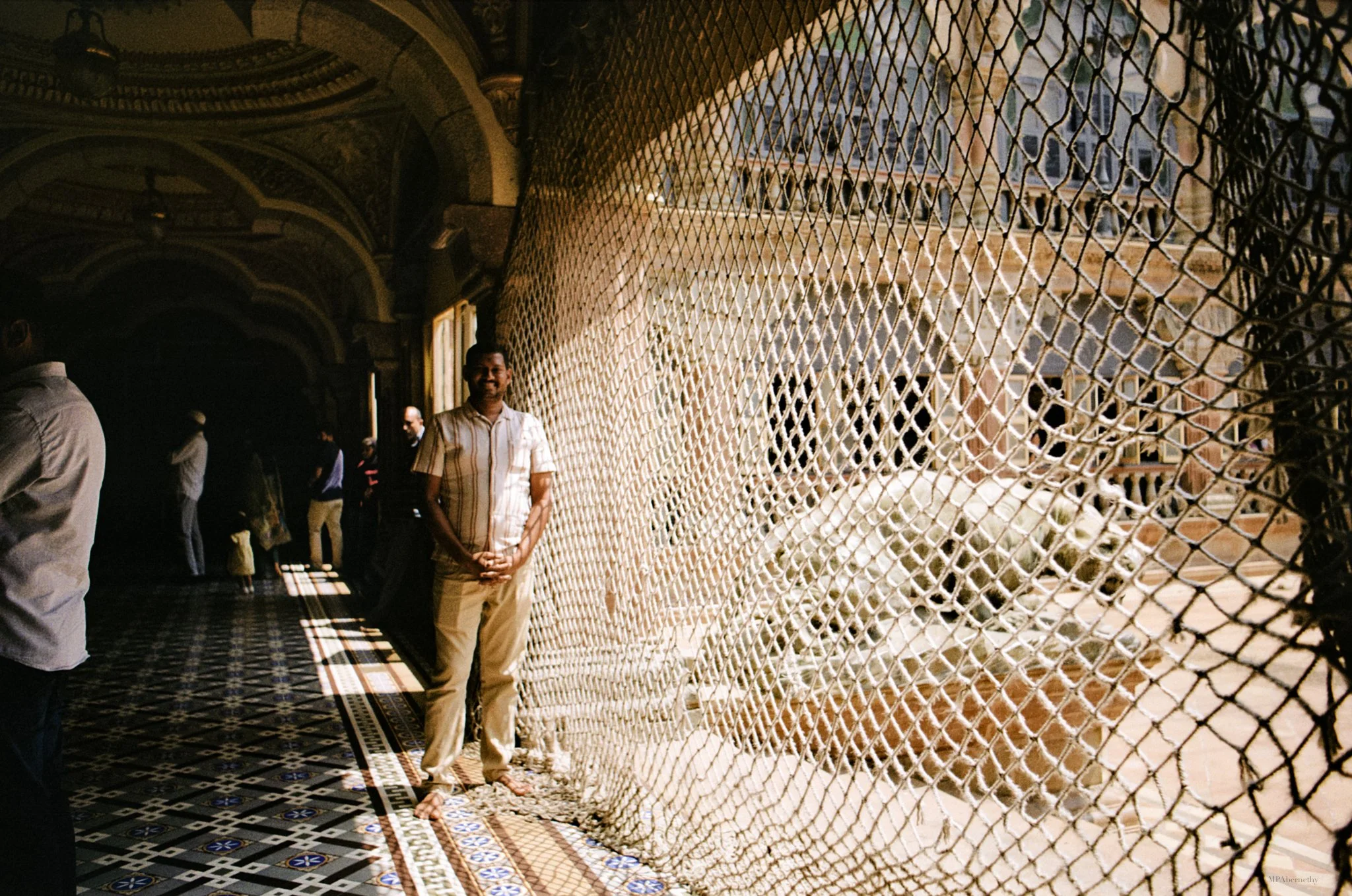
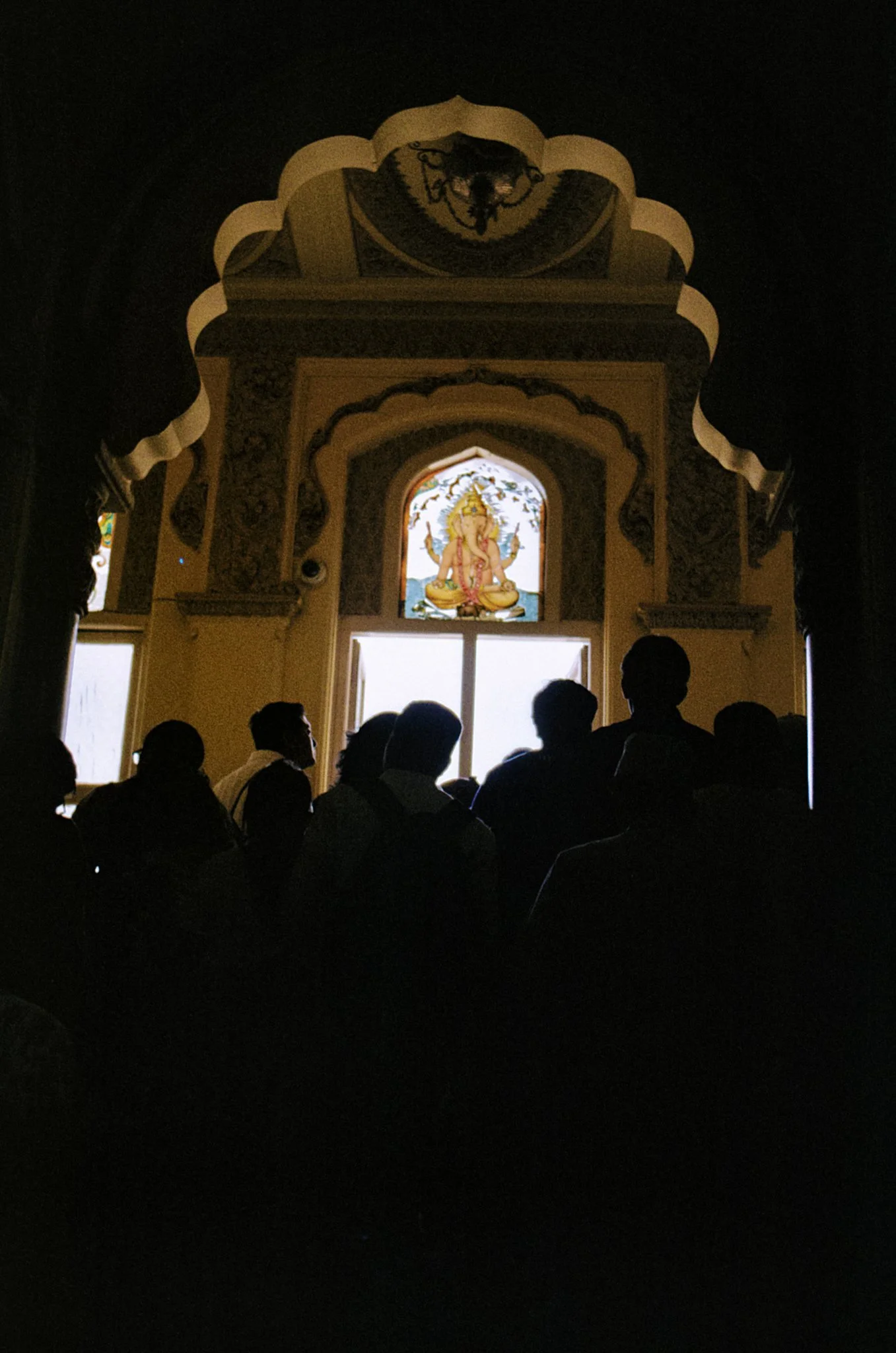
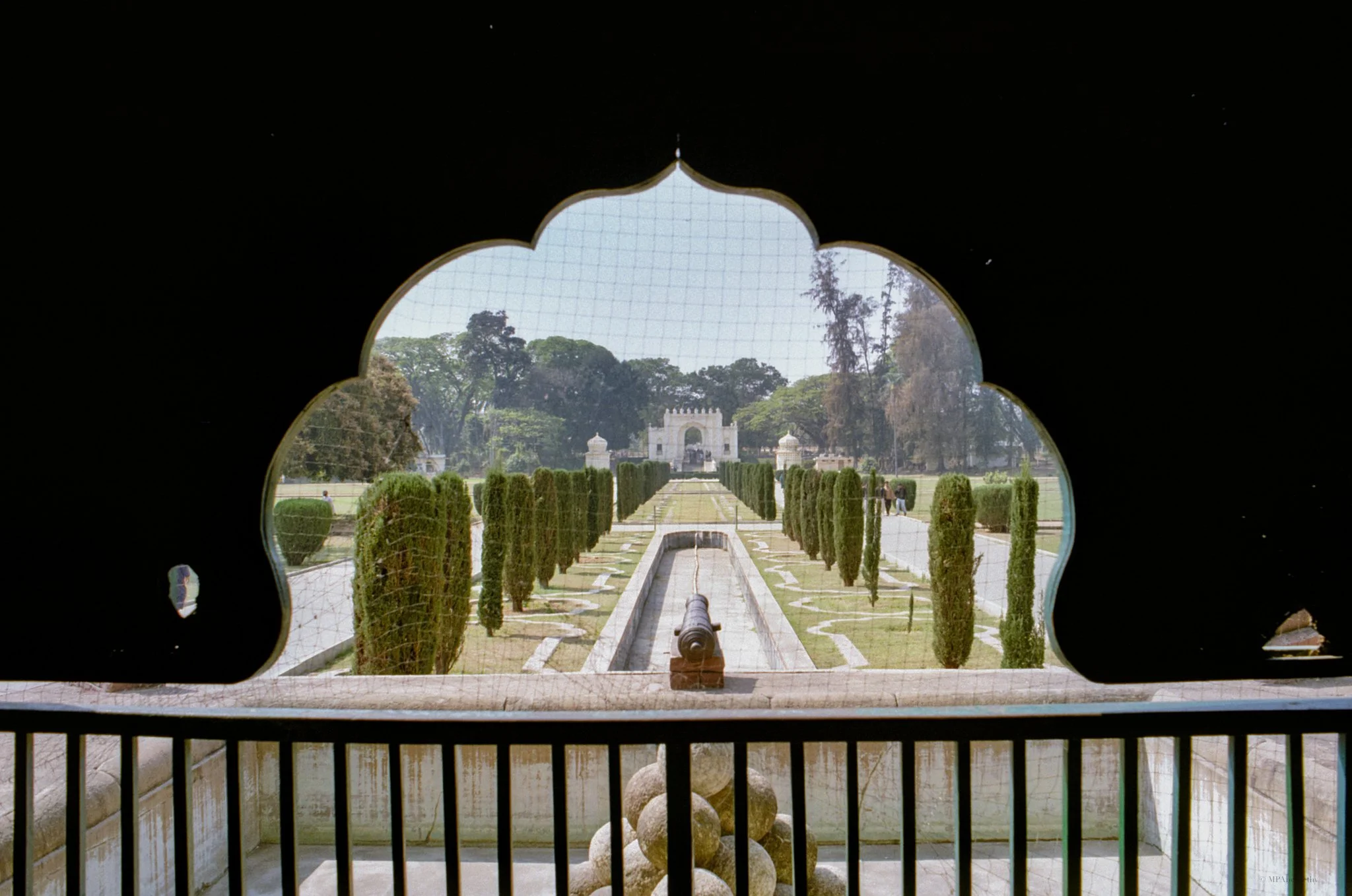
Tipu Sultan’s Summer Palace and Mysore Palace
Mysore Palace felt grand and theatrical; the Sultan’s felt a little more humble, yet quietly grand. Thinking about food sovereignty, it struck me how food systems are braided with histories of wealth, monarchy, colonialism and social hierarchy. The palaces shift the story from nourishment to power: beautiful, yes, but revealing the land, labour, wealth and authority behind such abundance. If gastro‑colonialism is control over food, land, taste and value, the palace made clear who owned the land, who amassed the wealth, who laboured, and who enjoyed the ceremony and comfort.







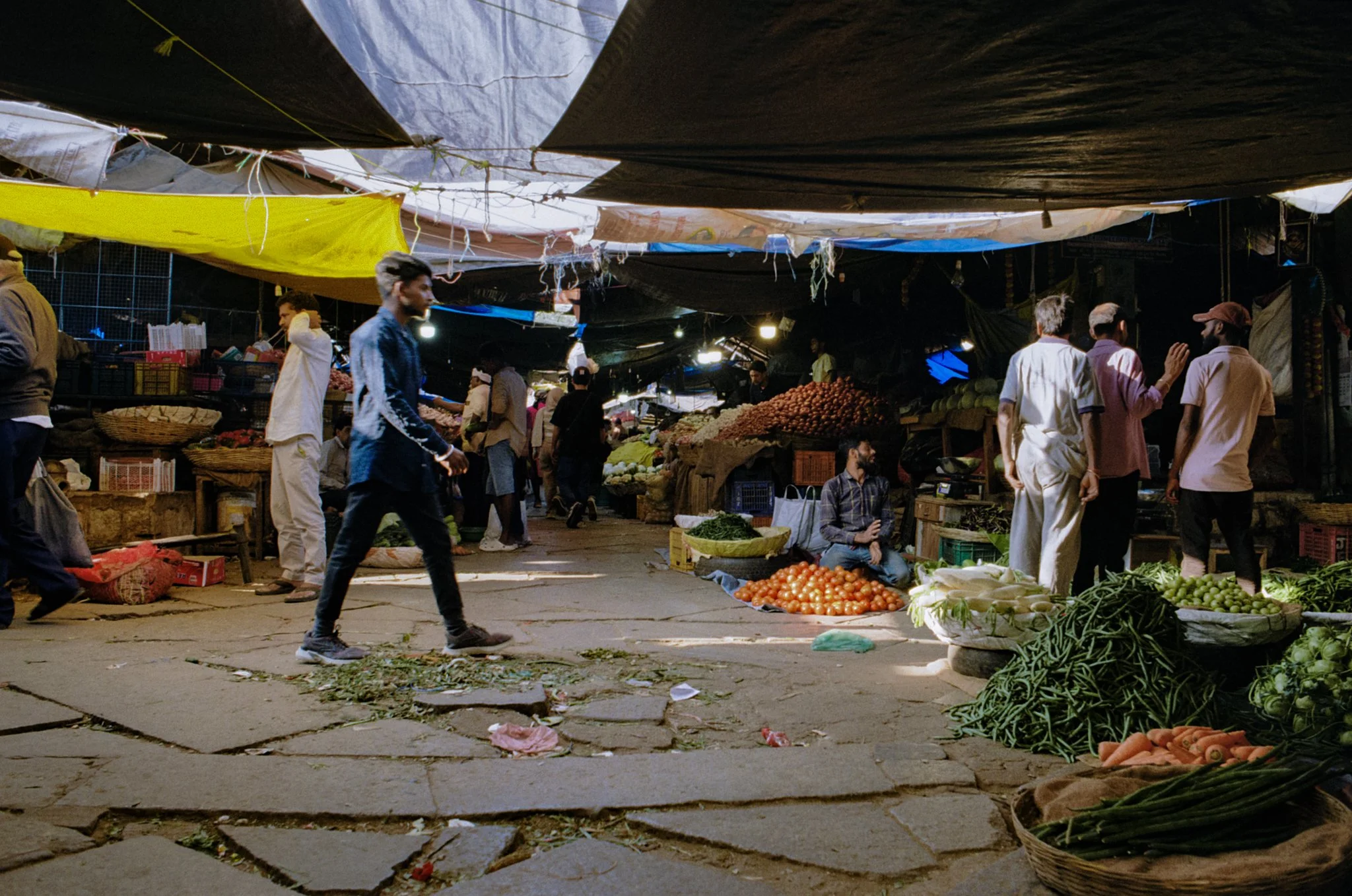
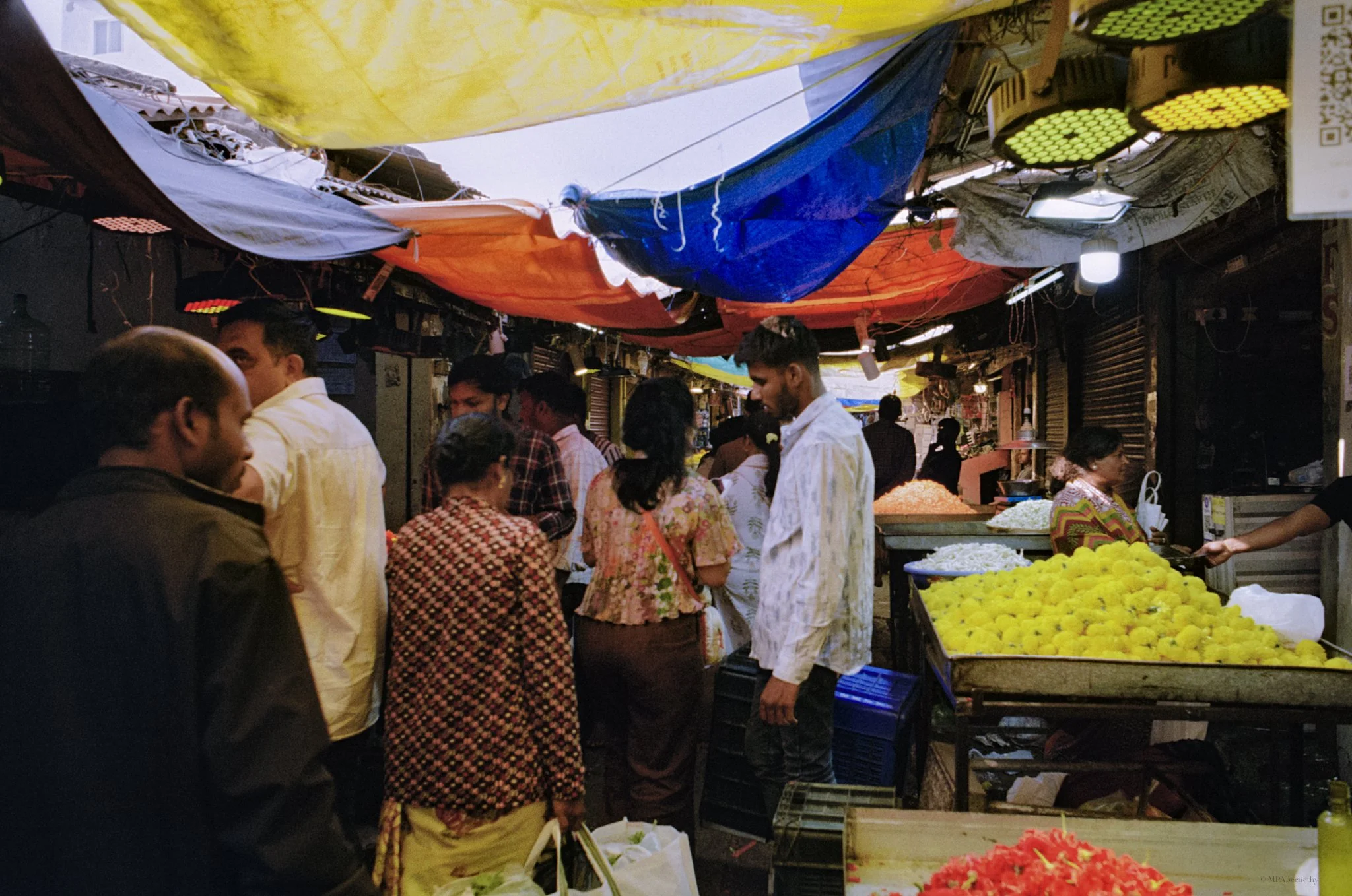
18th century, Devaraja Market -
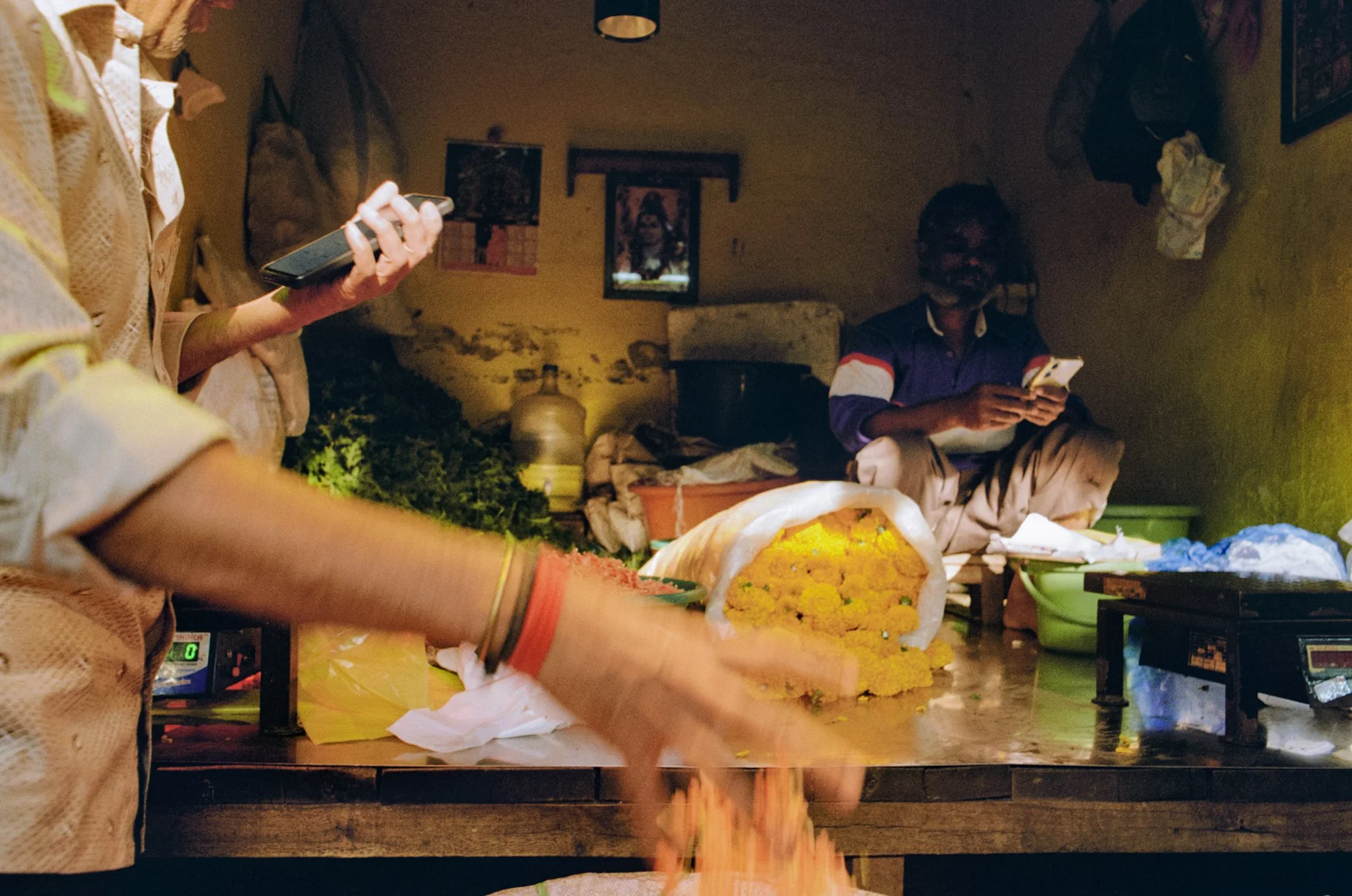
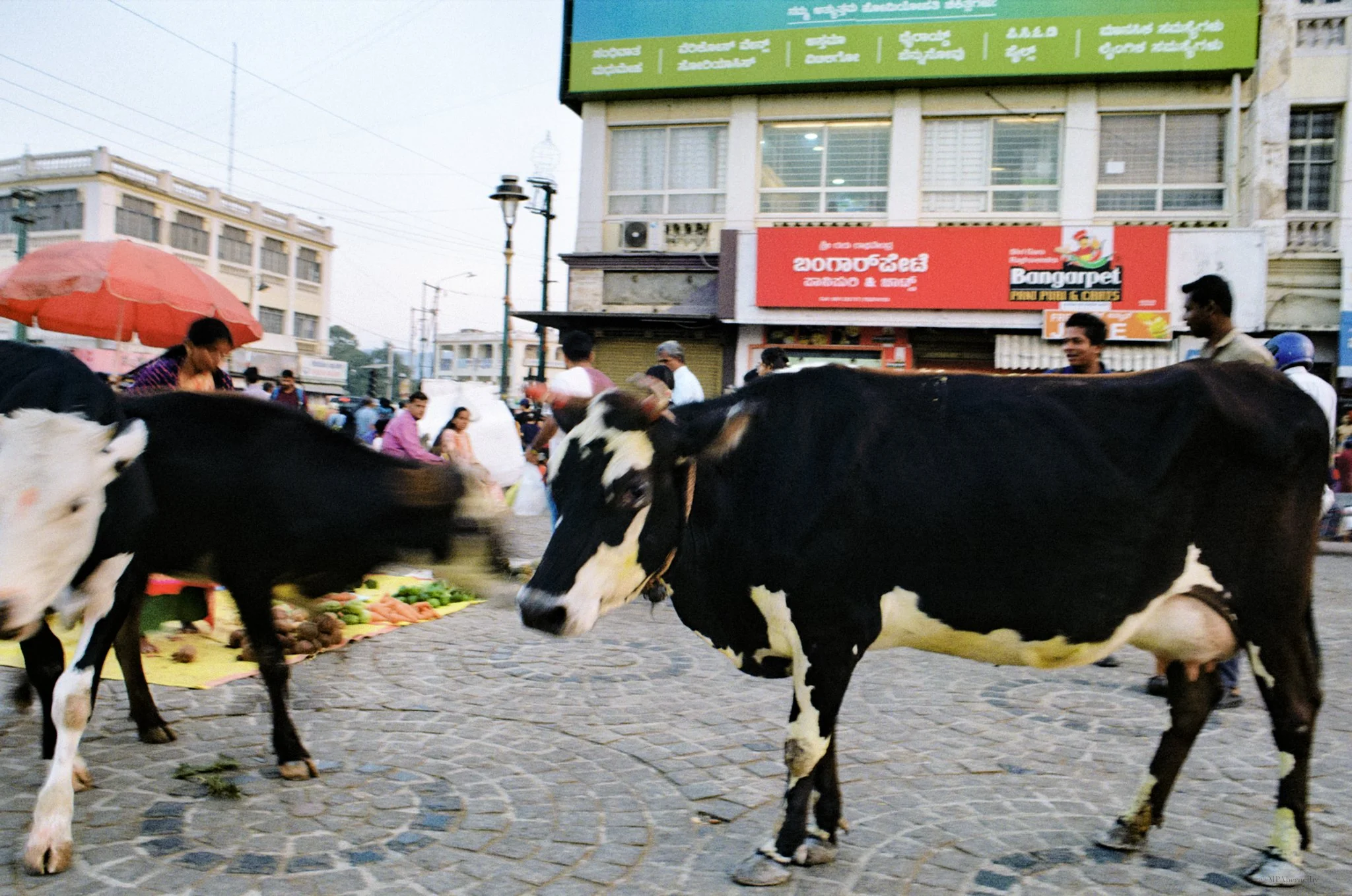
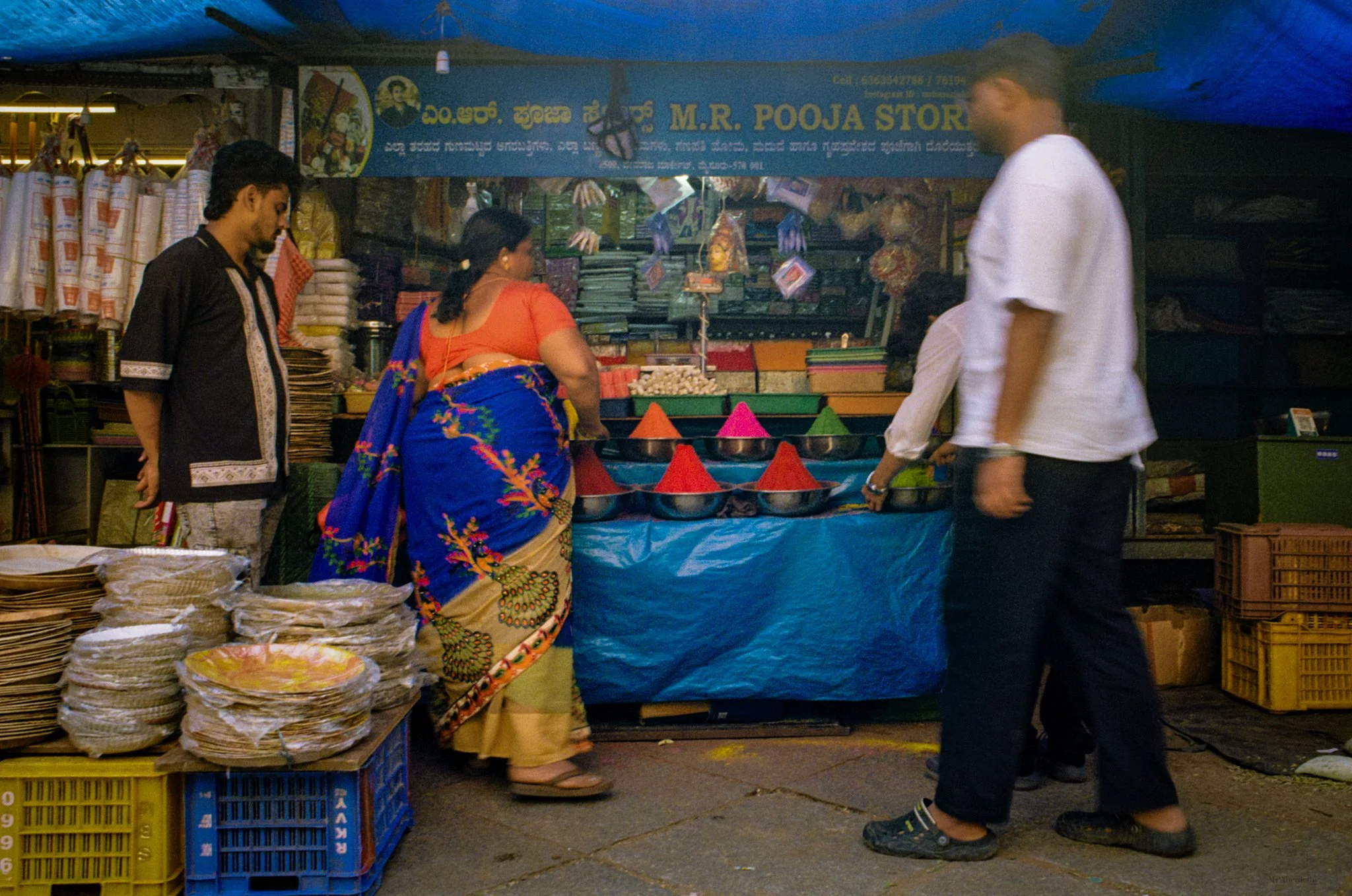
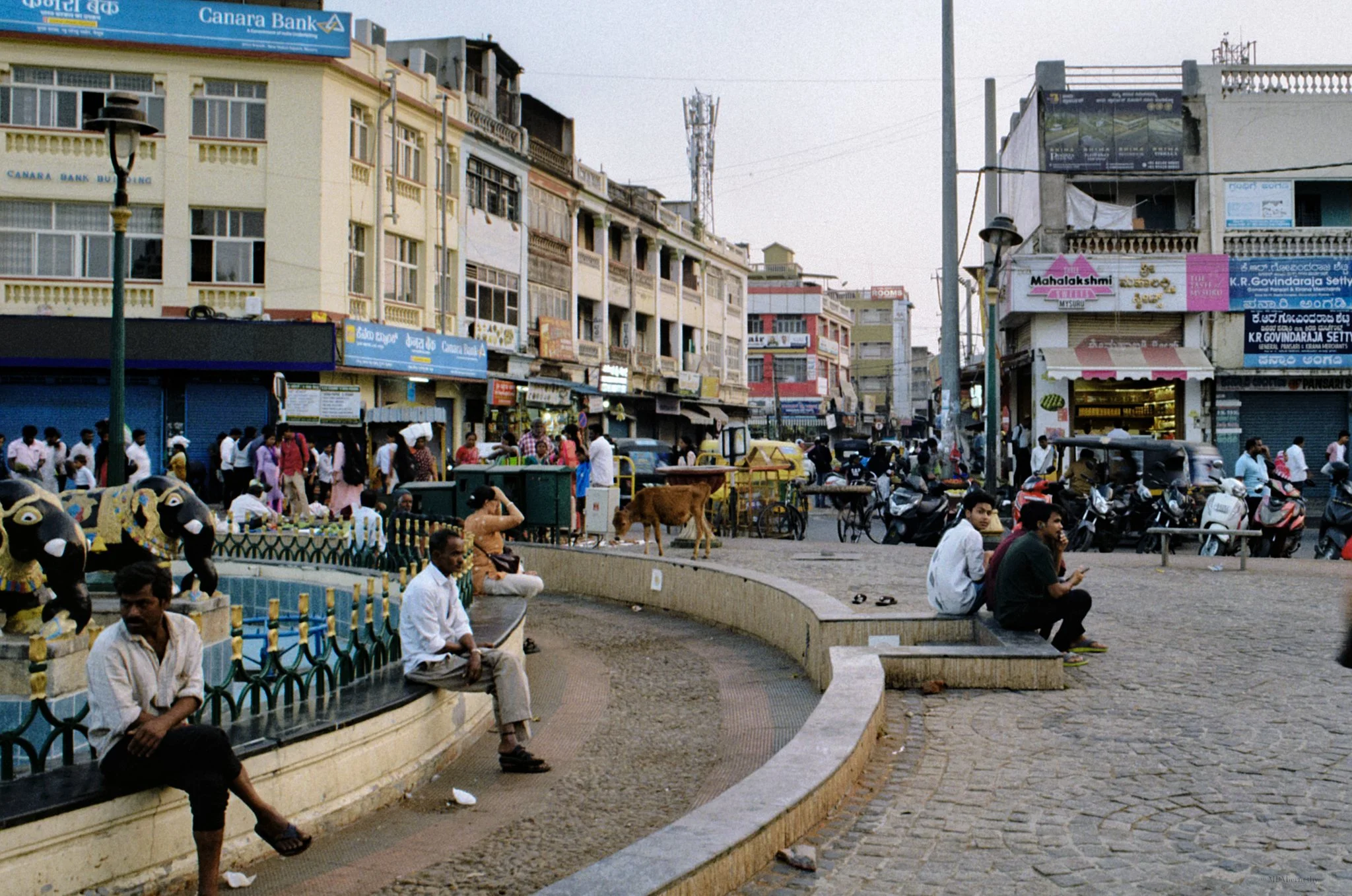
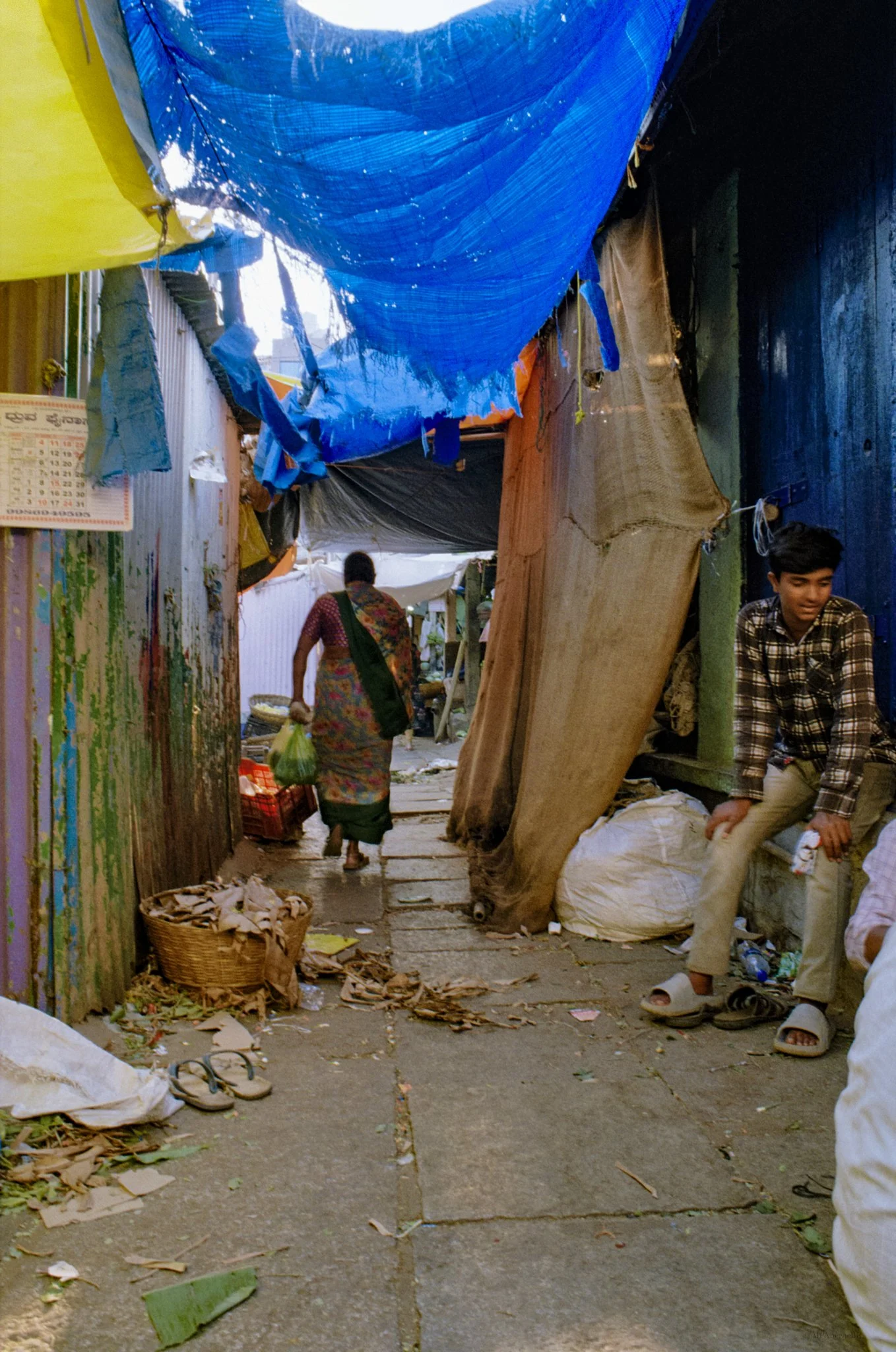
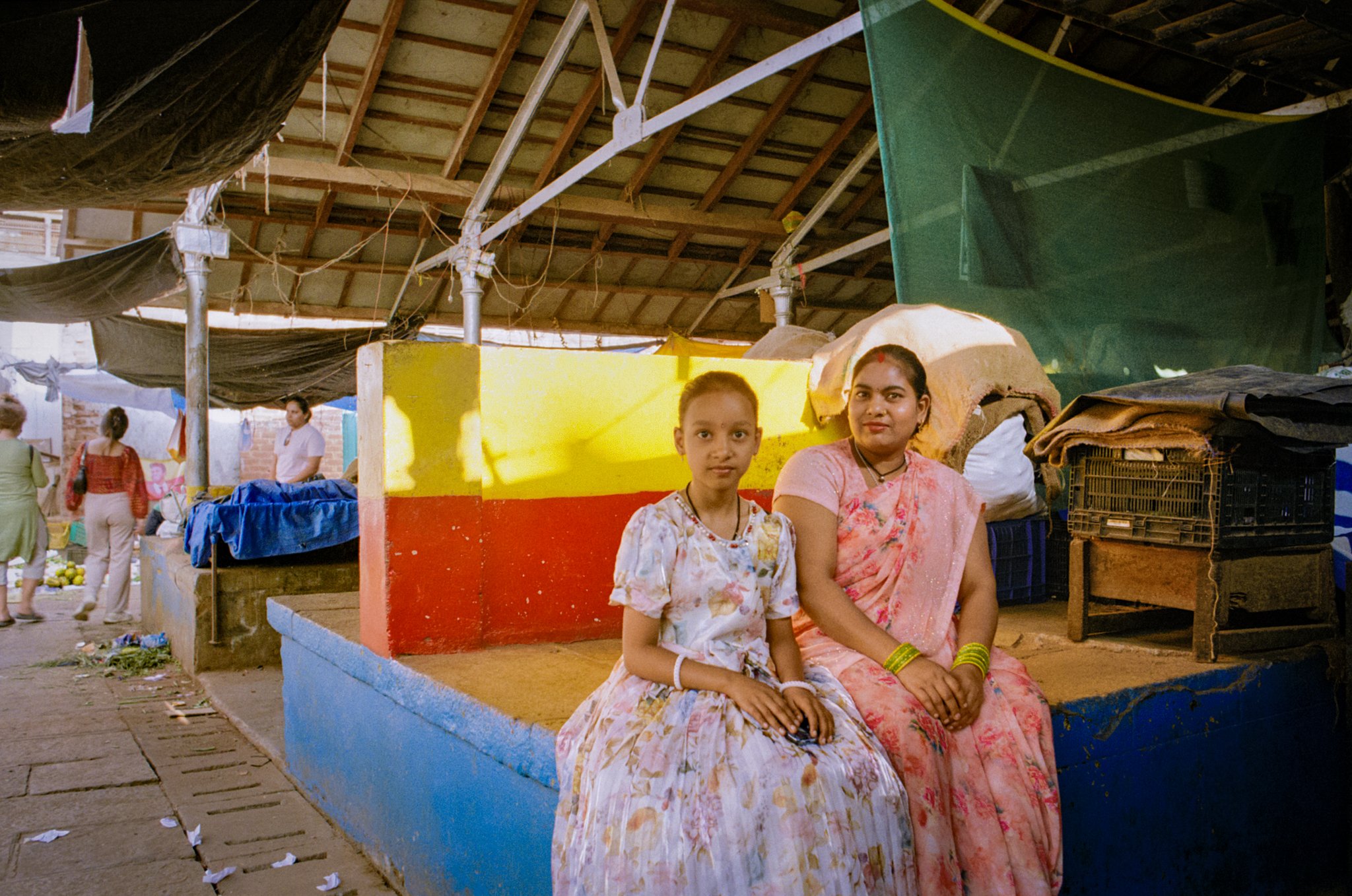
Marketplaces dot human life the world over. They’re one of the most familiar scenes of community: people buying, selling, talking and eating. They serve as a reminder that food is never just food—it's people, place, culture and exchange. The marketplace is a living museum—rooted in local geography, it does more than sell goods; it preserves. No meal begins at the table. It has already passed through land, labour, memory and many hands.